



[:en][PHOTO] 3ADMANT INSTAGRAM - MAY 18 2021[:it][FOTO] 3ADMANT INSTAGRAM - MAG 18 2021[:]
[:en]Tsuguni Twitter new photo with GACKT. Translation below:
✨Yoyogi Uehara 3Admant ✨.
Our trainer, Matsumoto, has just appeared on YouTube!
This time he appeared on YouTube with GACKT and Sawayan, the popular YouTubers 👏👏.
He is appearing as Matsumoto from Ebisu Akiba Osteopathic Clinic...
Want to train your body for the summer...
I want to lose weight! What should I do about my diet? If you're wondering how to lose weight!
We are also looking forward to your personal training appointments!
We are pleased to announce that
If you have any questions, please feel free to contact us.
GACKT
https://youtube.com/c/gackt
Mr. Sawayan
https://youtube.com/channel/UCPJCP_fon2mOMfibbBPUOYw
Translation: GACKT ITALIA Team
Translation © GACKT ITALIA
[:it]Tsuguni Twitter nuova foto con GACKT. Traduzione a seguire:
✨Yoyogi Uehara 3Admant ✨.
Il nostro allenatore, Matsumoto, è appena apparso su YouTube!
Questa volta è apparso su YouTube con GACKT e Sawayan, i popolari YouTubers 👏👏.
Appare come Matsumoto della Clinica Osteopatica Ebisu Akiba...
Vuoi allenare il tuo corpo per l'estate...
Voglio perdere peso! Cosa devo fare con la mia dieta? Se ti stai chiedendo come perdere peso!
Aspettiamo anche i vostri appuntamenti di allenamento personale!
Siamo lieti di annunciare che
Se hai delle domande, non esitare a contattarci.
GACKT
https://youtube.com/c/gackt
Mr. Sawayan
https://youtube.com/channel/UCPJCP_fon2mOMfibbBPUOYw
Traduzione: GACKT ITALIA Team
Traduzione © GACKT ITALIA
[:]


[:en][PHOTO] TSUGUNI TWITTER - APR 18 2021[:it][FOTO] TSUGUNI TWITTER - APR 18 2021[:]
[:en]Tsuguni Twitter new photo with GACKT. Translation below:
And here's a big announcement!
There is actually a TPC pre-exhibition match that we have been filming.
We'll be uploading it on YouTube soon for 3 weeks straight, so please subscribe to our YouTube channel [Tsugu-chan]!
そしてここで重大発表!!
実は撮り溜めていたTPCのプレエキシビジョンマッチがあります。
近々YouTubeにて3週連続アップするのでYouTubeチャンネル【つぐちゃん】ご登録お願いします✨#ポーカーを盛り上げたい #TPC #つぐちゃん #つぐ兄の弟子 @casi_sta @GACKT @LensukeKiLa @sapporokingsman pic.twitter.com/4xJACurzLI
— つぐ兄(つぐにぃ) (@tsuguNiPoker) April 17, 2021
Translation: GACKT ITALIA Team
Translation © GACKT ITALIA
[:it]Tsuguni Twitter nuova foto con GACKT. Traduzione a seguire:
Ed ecco un grande annuncio!
In realtà c'è una partita pre-esposizione TPC che abbiamo filmato.
Lo caricheremo presto su YouTube per 3 settimane di fila, quindi per favore iscrivetevi al nostro canale YouTube [Tsugu-chan]!
そしてここで重大発表!!
実は撮り溜めていたTPCのプレエキシビジョンマッチがあります。
近々YouTubeにて3週連続アップするのでYouTubeチャンネル【つぐちゃん】ご登録お願いします✨#ポーカーを盛り上げたい #TPC #つぐちゃん #つぐ兄の弟子 @casi_sta @GACKT @LensukeKiLa @sapporokingsman pic.twitter.com/4xJACurzLI
— つぐ兄(つぐにぃ) (@tsuguNiPoker) April 17, 2021
Traduzione: GACKT ITALIA Team
Traduzione © GACKT ITALIA
[:]

[:en]R25: "Do you think ‘being tired’ = ‘having worked hard’?" GACKT teaches the "essence of hard work" and opens eyes[:it]R25: "Pensi che 'essere stanco' = 'aver lavorato duro'?" GACKT insegna "l'essenza del duro lavoro" e apre gli occhi[:]
[:en]
Interview duration, ‘More than 3 hours’.
The other day, we published a casual conversation with GACKT-san about ‘The Thought Process of Those who Achieve Results’. While we managed to speak to him about the planned topic for about an hour and a half… Just as the interview was about to come to a close, he said something unexpected:
“If there's still anything else you want to ask, let’s just get through it all now.”
W-what a surprising turn of events…! Is this what the generosity of a top-class celebrity looks like? He's on a whole other level.
And so, this time, we have added a last-minute interview about ‘the difference between the right and wrong efforts’. In the book, “GACKT: The Art of Super Thought” which is packed with GACKT-san’s way of thinking, there is a section which reads, ‘Doing your best alone is pointless. Don’t be mistaken about how you apply your efforts.’
So, what is ‘the right way to make an effort’ as told by GACKT-san…?
Thus, this heated lecture that ended up spanning over 3-hours begins!
※As in the previous interview, this is conducted remotely from Malta.
〈Interviewer = Sano Tomoki〉

【GACKT】Actor, singer-songwriter born in Okinawa prefecture in 1973. Presently living in Kuala Lumpur, Malaysia. Aside from being the first Japanese national to be awarded “Best Asian Rock Artist”, he is also an entrepreneur and businessman in a wide range of industries like real estate for the affluent, food and beverage, and others
The misconception that ‘I’m the one working the hardest’. GACKT’s “days as a part-time mover”
Sano (S):
Today, I’d like for you to teach me about ‘the right way to make an effort’.
Recently, this particular thought has been coming to mind a lot when I’m at work; the question of, ‘Why aren’t I getting anywhere even though I’m working so hard’…
GACKT-san (G):
I actually understand how you feel.
Because when I was in my teens, I also kept wondering, ‘Why is this person enjoying themselves so much more than me,’ and thinking, ‘Although I’m working so hard, [nothing’s coming of this]’.
S:
Really!?
G:
When I was 17, I had a part-time job as a mover.
Two of us would get in a truck and go to various houses, move the parts of a study desk into the kids’ room and then put it together. That sorta work.
S:
(I can’t imagine GACKT-san as a part-time mover at all)
G:
So, we’re moving big boxes into the rooms, but… whenever we go up the stairs, I’m always the one supporting the weight from below.
Those things are super heavy, and I’d always look at my partner and wonder, “Why’s this old geezer putting me in the more arduous position every time?”
Like, “Why? Why am I always below??”

I could finally imagine it and he must’ve been quite adorable
G:
So, at the 7th house or so, I said, “I’ll go in front.”
When I said that, the uncle asked… “Are you sure?”
S:
Huh…!?
G:
While wondering what he meant by that, I went up to give it a go and… it was completely impossible for me to lift.
The truth is, it was far more strenuous for the uncle who was carrying it up front.
It felt like he was doing everything. No matter what the job, he would just pick the more difficult end of things without saying a world and simply let me follow.
S:
Ah… that does happen…
G:
In the bottom of my heart, I thought, “I was a fool.” Whenever someone thinks, ‘I’m the one working the hardest’, most of the time, it’s a misconception.
There are tons of people in Japan who live with the constant thought of, ‘Why am I the only one’ but it’s better to throw that belief away right now at this moment.
As long as you’re holding on to that ‘non-existent persecution complex’, no matter how hard you work, you’ll never be happy.
Do you think ‘being tired’ = ‘having worked hard’?
G:
In the very first place, most Japanese people have got the meaning of ‘working hard (頑張る)’ wrong.
S:
What do you mean?
G:
Do you know about the ‘worker ant law’ ¹ ?
It’s the law that when ants are put together, they will definitely end up with a ratio of 8 to 2 in terms of the number of hard working ants to the number of ants which slack off.
S:
It’s the theory that if 20% of the ants are hard working, 80% will be slacking off, right?
G:
That’s right. The present state of the Japanese society is very close to that right now but…
The biggest problem about this is that it’s the “80% who are slackers” who believe that ‘I’m the one working the hardest’.
To those reading this article now, I’d like to ask one thing.
Do you think ‘being tired’ = ‘having worked hard’?
S:
‘Being tired’ = ‘having worked hard’…?
G:
Right now, most people in Japan are working in ‘salary-based’ jobs, right?
They’re being paid by the hour or the month for ‘the amount of time spent working’.
S:
Yes.
G:
In other words, money is generated simply by ‘being present’.
That’s why Japanese treat ‘being in the office for 9 hours’ as the purpose of work, and end up thinking ‘Ah, I’m tired out today too = I worked hard’ even if they didn’t achieve any results for the day.
Among them, there are also people who act like they’re tired to make others think that they’re ‘working hard’.
S:
I think I honestly might’ve gotten that feeling…
G:
On the other hand, the people who fight it out in the world of ‘incentive-based’ jobs and get paid based on their achievements are by far the most ‘results-driven’.
And that is only because they’ve been fighting in a world where ‘achieving results = having worked hard’.
They don’t ever give excuses like, ‘I couldn’t do it because of this reason.’ Because, you see, if they don’t produce any results, they won’t be able to feed themselves. The only option is, ‘I’ll figure it out.’
What do you think will happen if all the world’s businesses switched to an ‘incentive-based’ system?
Japanese society would crumble in an instant. It will be overflowing with people who can no longer make a living will because there are too many people who don’t have ‘the ability to achieve results’.
S:
But in actual fact, salary-based companies are still more common anyway…
And I think that… it’s not a problem for us to continue living like this…? (mumbling)
G:
It’s been fine so far. But the situation has drastically changed.
Everyone needs to be aware of the fact that in this COVID-19 pandemic, the “time when (you) have to improve the quality of your efforts in order to survive” has come for the people who have been surviving by ‘just being in the office’.
What I want to say is, ‘This is precisely the way it is now.’
The fork in the road for the people who look to be paid for simply ‘being in the office’ is now right before their eyes
G:
Many companies have fallen into financial difficulties this time around with the COVID-19 crisis.
What do you think is the ‘correct application of hard work’ needed in such a situation?
S:
T-the ‘correct application of hard work’ for the COVID-19 crisis…!? That’s a tough question…
G:
Try thinking about it from the management’s perspective because then you’ll get it in one go.
The head of the company isn’t a person who sits at the top of the pyramid and rests on their laurels. Instead, the CEO, the head of the company is the person who is right at the bottom of an inverted pyramid supporting the whole structure.
When it comes to the topic of hiring, they’re said to ‘think only about money’ or that they’re ‘cold blooded and unfeeling people’, but that’s not true. They have to pay attention to results and generate profits otherwise they won’t be able to feed their colleagues.
S:
That’s true.
G:
From this perspective, if the pyramid only grows bigger and bigger, there will come a time when they can no longer support it.
The decision to keep capable people who can produce ‘results’ and cut out the ineffectual ones is a natural choice to make in order to protect their colleagues.
Next, it’s a question of who are these ‘ineffectual people’.

We’re looking at each other through the screen but the tension in the interview room is rising
G:
You don’t even need to think hard to figure this out. It’s the people who look to be paid for ‘just being present’ and who have not developed the ability to produce results.
If they want to survive, their only option is to change ‘the way [they] work hard’. And this fork in the road which tests whether they’ve realised this or not is now right before their eyes.
… What is your next move?
S:
… As someone living in these present times, this isn’t something I can ask anyone else about.
G:
Whenever I’m giving advice to those younger than me, I’d always say, ‘Step in the shoes of the employing end’.
Even if it’s just once in your life, even if it’s just for a short period of time, it doesn’t matter how small a job it is. Just look at things from the employer’s side.
S:
Why do you advise them so?
G:
Why don’t you try paying for this with your own money by starting a business and becoming the employer?
You’ll immediately understand exactly what ‘working hard’ means. You’ll understand how little people take initiative.
Only then will they truly realise for the first time exactly how worried they should be about their way of working hard, of ‘just being present’.
S:
So, it’s something that you’d understand once you’ve experienced being on the ‘result-seeking side’.
I guess this is something that can also be felt when you ‘have subordinates’ or ‘become a team leader’…
G:
Japan should, as much as possible, refrain from creating more ‘poor people’ or ‘rich people’, and increase the number of ‘middle-class people’ instead.
And politicians are saying, “Look. The unemployment rate in Japan is only ever falling. Don’t you think we’re a wonderful country?”
But are people truly happy living a life where they spend 9 hours everyday simply ‘being present’? How do you want to live your life? … Now is the time to think about it properly for once.
Luck is a bonus that only comes to those who work up to 90%.
S:
Lastly…
In your book, you wrote, ‘There are times when you can’t get all the pieces no matter how hard you work.’ Meaning that there also has to be an element of luck.
Is this to say that no matter how much you employ the ‘correct application of hard work’, there are still occasions when it doesn’t pay off after all…?
G:
Make no mistake that having or not having ‘good/bad luck’ is a thing. This is a fact.
S:
I thought so…
G:
But to me, having ‘good luck’ is when I get to 90% yet achieve 200% of the intended result in the end.
Conversely, ‘bad luck’ is when I get to 90% and can only achieve 95% of what I needed to when I run out of time.
This is the only difference. In other words, ‘up to 90% of everything is dependent on your own hard work’.

3 hours of this and he continues to dish out wise words…
G:
That is to say that no matter how bad your luck is, you’ll always be able to achieve 95%.
That’s all luck is. Something like a bonus.
S:
Like an add-on?
G:
That’s right. Strictly speaking, it’s an add-on which only happens to ‘people who have worked hard to reach 90%’.
There are far too many people in this world who expect to get that bonus without doing anything.
S:
Luck is the bonus of a huge opportunity that only comes to those who have made it to 90%.
Yeah, this, there’s no doubt about this…

At this point, the interview finally ended… The time was 12 midnight in Japan! It was so immensely condensed…
S:
GACKT-san, truly… thank you for these 3 hours today.
G:
One last thing… In this day and age, you can read as many ‘words of wisdom’ as you want.
But even if you read this article, nothing will change if you don’t do anything.
It depends on what you do. It all depends on yourself.

We’ve made it through the intense, tumultuous 3-hour-long interview.
In retrospect, GACKT's message was very simple.
‘Try.’
I think I’d just be adding unnecessary words if I continue rambling any more than this, so I’ll end it here gracefully.
I’ll work hard too. I will try.
〈Interview/Text = Sano Tomoki (@mlby_sns) / Editing = Amano Shunkichi (@amanop)〉
__________________________
¹ Looks like he’s referring to this article: https://www.sciencealert.com/many-worker-ants-are-actually-lazy-slackers-but-there-s-a-good-reason-for-that
Source: r25.jp
Translation: Yoshi @ GACKT ITALIA Team
Translation © GACKT ITALIA
[:it]
Durata dell'intervista, 'Più di 3 ore'.
L'altro giorno, abbiamo pubblicato una conversazione casuale con GACKT-san su 'Il processo di pensiero di coloro che ottengono risultati'. Mentre siamo riusciti a parlare con lui dell'argomento previsto per circa un'ora e mezza... Proprio quando l'intervista stava per concludersi, ha detto qualcosa di inaspettato:
"Se c'è ancora qualcosa che vuoi chiedere, finiamo tutto adesso".
Che sorprendente svolta degli eventi...! È questa la generosità di una celebrità di alto livello? È su tutto un altro livello.
E così, questa volta, abbiamo aggiunto un'intervista dell'ultimo minuto sulla "differenza tra lo sforzo giusto e quello sbagliato". Nel libro "GACKT: The Art of Super Thought", che è ricco del modo di pensare di GACKT-san, c'è una sezione che recita: "Fare del tuo meglio da solo è inutile. Non sbagliarti su come applicare i tuoi sforzi".
Quindi, qual è 'il modo giusto di fare uno sforzo' come detto da GACKT-san...?
Così, inizia questa accesa lezione che ha finito per durare più di 3 ore!
Come nell'intervista precedente, questa è condotta a distanza da Malta.
〈Intervistatore = Sano Tomoki〉
【GACKT】 Attore, cantautore nato nella prefettura di Okinawa nel 1973. Attualmente vive a Kuala Lumpur, Malesia. Oltre ad essere il primo giapponese ad essere premiato come "Miglior artista rock asiatico", è anche un imprenditore e uomo d'affari in una vasta gamma di settori come l'immobiliare per i ricchi, cibo e bevande, e altri
L'idea sbagliata che "sono quello che lavora di più". I "giorni da traslocatore part-time" di GACKT
Sano (S):
Oggi, vorrei che tu mi insegnassi "il modo giusto di fare uno sforzo".
Ultimamente, questo particolare pensiero mi viene spesso in mente quando sono al lavoro; la domanda: "Perché non arrivo da nessuna parte anche se sto lavorando così duramente"...
GACKT-san (G):
In realtà capisco come ti senti.
Perché quando ero adolescente, anch'io continuavo a chiedermi: "Perché questa persona si diverte così tanto più di me" e pensavo: "Anche se sto lavorando così duramente, [non ne viene fuori niente]".
S:
Davvero!?
G:
Quando avevo 17 anni, avevo un lavoro part-time come traslocatore.
Due di noi salivano su un camion e andavano in varie case, spostavano i pezzi di una scrivania da studio nella stanza dei ragazzi e poi la montavano. Quel tipo di lavoro.
S:
(Non riesco a immaginare GACKT-san come un traslocatore part-time)
G:
Allora, stiamo spostando grandi scatole nelle stanze, ma... ogni volta che saliamo le scale, sono sempre io a sostenere il peso dal basso.
Quelle cose sono super pesanti, e guardo sempre il mio partner e mi chiedo: "Perché questo vecchio rimbambito mi mette nella posizione più difficile ogni volta?"
Tipo: "Perché? Perché sono sempre sotto?".
Potrei finalmente immaginarlo e deve essere stato piuttosto adorabile
G:
Così, alla settima casa o giù di lì, ho detto: "Io vado davanti".
Quando l'ho detto, lo zio ha chiesto: "Sei sicuro?
S:
Huh...!?
G:
Mentre mi chiedevo cosa volesse dire, sono salito per fare un tentativo e... era completamente impossibile per me sollevare.
La verità è che era molto più faticoso per lo zio che lo portava davanti.
Sembrava che stesse facendo tutto lui. Non importava quale fosse il lavoro, si limitava a scegliere la parte più difficile delle cose senza dire niente e mi lasciava semplicemente seguire.
S:
Ah... questo succede...
G:
In fondo al mio cuore, ho pensato: "Sono stato uno stupido". Ogni volta che qualcuno pensa: "Sono quello che lavora di più", il più delle volte è un'idea sbagliata.
Ci sono tonnellate di persone in Giappone che vivono con il pensiero costante di "Perché sono l'unico", ma è meglio buttare via questa convinzione proprio ora, in questo momento.
Finché ti aggrappi a quel 'complesso di persecuzione inesistente', non importa quanto duramente lavori, non sarai mai felice.
Pensi che 'essere stanco' = 'aver lavorato duro'?
G:
In primo luogo, la maggior parte dei giapponesi ha sbagliato il significato di 'lavorare duro (頑張る)'.
S:
Cosa vuoi dire?
G:
Conosci la 'legge della formica operaia' ¹ ?
E' la legge che quando le formiche sono messe insieme, finiranno sicuramente con un rapporto di 8 a 2 in termini di numero di formiche che lavorano duramente e numero di formiche che si rilassano.
S:
E' la teoria che se il 20% delle formiche lavora sodo, l'80% sarà pigro, giusto?
G:
Esatto. Lo stato attuale della società giapponese è molto vicino a questo, ma...
Il problema più grande è che è "l'80% che è scansafatiche" che crede che "io sono quello che lavora di più".
A coloro che stanno leggendo questo articolo ora, vorrei chiedere una cosa.
Pensate che 'essere stanchi' = 'aver lavorato duro'?
S:
Essere stanchi' = 'aver lavorato duro'...?
G:
In questo momento, la maggior parte delle persone in Giappone ha un lavoro "basato sul salario", giusto?
Vengono pagati ad ore o al mese per "la quantità di tempo speso a lavorare".
S:
Sì.
G:
In altre parole, il denaro viene generato semplicemente "essendo presenti".
Ecco perché i giapponesi trattano 'essere in ufficio per 9 ore' come lo scopo del lavoro, e finiscono per pensare 'Ah, sono stanco anche oggi = ho lavorato molto' anche se non hanno ottenuto alcun risultato per il giorno.
Tra questi, ci sono anche persone che si comportano come se fossero stanchi per far credere agli altri che stanno 'lavorando duro'.
S:
Penso che onestamente potrei aver avuto questa sensazione...
G:
D'altra parte, le persone che lottano nel mondo del lavoro 'basato sugli incentivi' e vengono pagate in base ai loro risultati sono di gran lunga le più 'orientate ai risultati'.
E questo solo perché hanno lottato in un mondo in cui 'ottenere risultati = aver lavorato duro'.
Non danno mai scuse come: 'Non ce l'ho fatta per questo motivo'. Perché, vedete, se non producono alcun risultato, non saranno in grado di nutrirsi. L'unica opzione è: 'Troverò il modo'.
Cosa pensa che succederebbe se tutte le imprese del mondo passassero ad un sistema "basato sugli incentivi"?
La società giapponese si sgretolerebbe in un istante. Sarebbe traboccante di persone che non possono più guadagnarsi da vivere perché ci sono troppe persone che non hanno "la capacità di ottenere risultati".
S:
Ma in realtà, le aziende basate sul salario sono comunque più comuni...
E penso che... non è un problema per noi continuare a vivere così...? (borbottando)
G:
Finora è andata bene. Ma la situazione è cambiata drasticamente.
Tutti devono essere consapevoli del fatto che in questa pandemia di COVID-19, il "momento in cui (devi) migliorare la qualità dei tuoi sforzi per sopravvivere" è arrivato per le persone che sono sopravvissute 'solo stando in ufficio'.
Quello che voglio dire è: 'Questo è precisamente il modo in cui è ora'.
Il bivio per le persone che cercano di essere pagate per il semplice "stare in ufficio" è ora davanti ai loro occhi
G:
Molte aziende sono cadute in difficoltà finanziarie questa volta con la crisi del COVID-19.
Qual è secondo te la 'corretta applicazione del lavoro duro' necessaria in una situazione del genere?
S:
T-la 'corretta applicazione del duro lavoro' per la crisi COVID-19...!? Questa è una domanda difficile...
G:
Prova a pensarci dal punto di vista della direzione, perché allora lo capirai in un colpo solo.
Il capo dell'azienda non è una persona che siede in cima alla piramide e si riposa sugli allori. Invece, il CEO, il capo dell'azienda è la persona che sta proprio alla base di una piramide rovesciata che sostiene l'intera struttura.
Quando si parla di assunzioni, si dice che "pensano solo ai soldi" o che sono "persone a sangue freddo e insensibili", ma non è vero. Devono prestare attenzione ai risultati e generare profitti, altrimenti non saranno in grado di nutrire i loro colleghi.
S:
Questo è vero.
G:
Da questo punto di vista, se la piramide diventa sempre più grande, arriverà un momento in cui non potranno più sostenerla.
La decisione di mantenere le persone capaci che possono produrre "risultati" e tagliare fuori quelle inefficaci è una scelta naturale da fare per proteggere i loro colleghi.
Poi, è una questione di chi sono queste "persone inefficaci".
Ci guardiamo attraverso lo schermo ma la tensione nella stanza dell'intervista sta salendo
G:
Non c'è nemmeno bisogno di pensare molto per capirlo. Sono le persone che cercano di essere pagate per 'essere solo presenti' e che non hanno sviluppato la capacità di produrre risultati.
Se vogliono sopravvivere, la loro unica opzione è cambiare 'il modo in cui [loro] lavorano duramente'. E questo bivio che mette alla prova il fatto che se ne siano resi conto o meno è ora proprio davanti ai loro occhi.
... Qual è la vostra prossima mossa?
S:
... Come persona che vive in questi tempi, questa non è una cosa che posso chiedere a qualcun altro.
G:
Ogni volta che do un consiglio a quelli più giovani di me, dico sempre: 'Mettiti nei panni del datore di lavoro'.
Anche se è solo una volta nella vita, anche se è solo per un breve periodo di tempo, non importa quanto piccolo sia il lavoro. Basta guardare le cose dalla parte del datore di lavoro.
S:
Perché li consigli così?
G:
Perché non provi a pagare con i tuoi soldi iniziando un'attività e diventando il datore di lavoro?
Capirai immediatamente cosa significa 'lavorare duro'. Capirà quanto poco la gente prenda l'iniziativa.
Solo allora si renderanno veramente conto per la prima volta di quanto dovrebbero essere preoccupati del loro modo di lavorare duro, di 'essere solo presenti'.
S:
Quindi, è qualcosa che si capisce una volta che si è sperimentato di essere sul 'lato del risultato'.
Immagino che sia qualcosa che può essere sentito anche quando 'hai dei subordinati' o 'diventi un team leader'...
G:
Il Giappone dovrebbe, per quanto possibile, astenersi dal creare più 'persone povere' o 'persone ricche', e aumentare invece il numero di 'persone della classe media'.
E i politici dicono: "Guarda. Il tasso di disoccupazione in Giappone è sempre in calo. Non pensate che siamo un paese meraviglioso?".
Ma le persone sono veramente felici di vivere una vita in cui passano 9 ore al giorno semplicemente "essendo presenti"? Come volete vivere la vostra vita? ... Ora è il momento di pensarci bene per una volta.
La fortuna è un bonus che arriva solo a chi lavora fino al 90%.
S:
Infine...
Nel tuo libro, hai scritto: 'Ci sono momenti in cui non puoi ottenere tutti i pezzi, non importa quanto duramente lavori'. Nel senso che ci deve essere anche un elemento di fortuna.
Questo per dire che non importa quanto tu impieghi la 'corretta applicazione del duro lavoro', ci sono ancora occasioni in cui non paga dopo tutto...?
G:
Non fraintendete che avere o non avere 'buona/cattiva fortuna' è una cosa. Questo è un fatto.
S:
Pensavo così...
G:
Ma per me, avere 'buona fortuna' è quando arrivo al 90% e alla fine ottengo il 200% del risultato voluto.
Al contrario, la 'sfortuna' è quando arrivo al 90% e riesco a raggiungere solo il 95% di quello che mi serviva quando non ho più tempo.
Questa è l'unica differenza. In altre parole, 'fino al 90% di tutto dipende dal proprio duro lavoro'.
3 ore di questo e lui continua a dispensare parole sagge...
G:
Vale a dire che non importa quanto sia sfortunata la tua fortuna, sarai sempre in grado di raggiungere il 95%.
La fortuna è solo questo. Qualcosa come un bonus.
S:
Come un'aggiunta?
G:
Esatto. In senso stretto, è un'aggiunta che accade solo alle "persone che hanno lavorato duro per raggiungere il 90%".
Ci sono troppe persone in questo mondo che si aspettano di ottenere quel bonus senza fare nulla.
S:
La fortuna è il bonus di un'enorme opportunità che arriva solo a chi è arrivato al 90%.
Sì, questo, non ci sono dubbi su questo...
A questo punto, l'intervista è finalmente finita... L'ora era mezzanotte in Giappone! Era così immensamente condensato...
S:
GACKT-san, veramente... grazie per queste 3 ore oggi.
G:
Un'ultima cosa... Al giorno d'oggi, puoi leggere tutte le "parole di saggezza" che vuoi.
Ma anche se leggete questo articolo, non cambierà nulla se non fate nulla.
Dipende da quello che fai. Tutto dipende da te stesso.
Abbiamo superato l'intensa e tumultuosa intervista di 3 ore.
A posteriori, il messaggio di GACKT era molto semplice.
"Provaci".
Penso che aggiungerei solo parole inutili se continuassi a divagare più di così, quindi la finisco qui con grazia.
Anch'io lavorerò sodo. Ci proverò.
(Intervista/Testo = Sano Tomoki (@mlby_sns) / Editing = Amano Shunkichi (@amanop))
__________________________
¹ Sembra che si riferisca a questo articolo: https://www.sciencealert.com/many-worker-ants-are-actually-lazy-slackers-but-there-s-a-good-reason-for-that
Fonte: r25.jp
Traduzione: Yoshi @ GACKT ITALIA Team
Traduzione © GACKT ITALIA
[:]

[:en]R25: "I mastered this mentality at 20, convinced that I've won" Straight from GACKT: “The Thought Process of Those who Achieve Results”[:it]R25: "Ho imparato questa mentalità a 20 anni, convinto di aver vinto" Direttamente da GACKT: "Il processo di pensiero di coloro che ottengono risultati"[:]
[:en]
What is “Mr Perfect’s” success theory?
Musician, actor, entrepreneur… GACKT-san is the Mr Perfect who keeps producing the best results in whatever he does.
This January, the book, “GACKT: The Art of Super Thought” which is packed with his way of thinking was released. This time, the R25 generation who are “trying my best but can’t get results” will get to learn the “thought process of those who achieve results” from GACKT-san himself…!

【GACKT】Actor, singer-songwriter born in Okinawa prefecture in 1973. Presently living in Kuala Lumpur, Malaysia. Aside from being the first Japanese national to be awarded “Best Asian Rock Artist”, he is also an entrepreneur and businessman in a wide range of industries like real estate for the affluent, food and beverage, and others
This time, we’re doing a remote interview from Malta.
It started out with me feeling nervous and worried about whether we will be able to conduct the interview smoothly, but the interview concluded with an unexpected end… I hope you enjoy this from start to end!
〈Interviewer = Sano Tomoki〉
Getting straight to the heart of the matter… GACKT-san speaks of the ‘crucial difference between those who achieve results and those who don’t’
Sano (S):
GACKT-san, can you hear me…?
Good day to you!
GACKT-san (G):
… Helloo. Thank you, GACKT here.
My hair’s a bit of a mess, sorry about that.

Just to let you know, he was beyond cool
S:
Today, I’d like to ask GACKT-san about the ‘thought process of those who achieve results’.
Like, what’s the difference between those who achieve results and those who don’t.
G:
The difference between those who do and those who don’t, huh…
Actually, until my teens, I was also a very negative person who got discouraged and gave up halfway with everything.
S:
Huh…!
G:
But I met my mentor at 19 who hammered ‘the mentality to never give up until I win’ into me through this way of thought called ‘kingcraft’ ¹.
Throughout the subsequent one year, I put every single thing he taught me into practice and fully mastered that mentality when I was 20… I thought, ‘Ahh, I’ve won.’
S:
T-Twenty… Isn’t that too young???

At the age of 20, GACKT-san was convinced that he had ‘won’. I, on the other hand, skipped out on driving school so much that I had to be driven into a corner to attend
S:
The ‘mentality to never give up until I win’… What exactly did GACKT-san apply this to?
G:
Hitting on people.
S:
Huh…
G:
I decided that I would ‘call out to 50 people per day’, then went right ahead and did it.
Personally, I’m using this teaching method to teach this mentality to youngsters even now but…
Although this is an amazing training exercise, you’d get hurt a lot. Because people would keep laughing at you and keep treating you like you’re a freak.
S:
T-that’s… too terrifying…
I definitely don’t have the mental fortitude for that.
G:
But, you see, it doesn’t matter how many times you get rejected. Because ultimately, the goal is 'to call out to 50 people within the stipulated time'.
If you’re focused on clearing the mission within that time period, you won’t have time to feel hurt. You have to quickly move on to the next person.
And as you do that, the significance of 'getting rejected' will disappear with time. Because this failure will simply become 'a natural occurrence' in your journey to clearing the mission.
S:
In other words, is this a sort of psychological training to 'keep failing and grow stronger under the battering until you become numb'…?
G:
Wrong. This isn’t a question of whether someone grows tougher or not under that beating.
Failure is not about the 'result' but about 'the process you go through to get those results'. That’s why, in the first place, there’s no need to get hurt.
The purpose of this training is to help people understand this fact.
S:
No need to get hurt…
G:
As to the difference between those who achieve results and those who don’t, the answer is very simple.
'Whether you give up halfway or not'. That’s all.
For those who achieve results, no matter how many times they fail in the process, they would 'keep going until results are achieved'. These people won’t ever say the words, 'Nothing will come of this.' They will always say, 'I just haven’t seen results yet.'
S:
… Come to think of it, in our previous interview you did also say that, 'Things aren’t split into paths of either “success” or “failure”. It’s “failure”, “failure”, “failure”… “success”. The path simply continues until you succeed.'
G:
But that holds the nuance of getting through things with fighting spirit and perseverance. For people to stay strong without breaking down halfway, I think 'mental fortitude' is necessary, but not [fighting spirit or perseverance].
You just need to understand that the truth is 'failure = the process to achieving results'.
And to a certain extent, if you want to uncover this truth as soon as possible, you need to have racked up 'a certain number of mistakes' before it will happen.
Majority of the people in the world are disastrously bad at “hurdle setting”
S:
But, honestly, there are also people who get discouraged…
Do you have any tips for getting through this?
G:
Right, well… Firstly, what exactly is 'the difference between those who work hard until they achieve results and those who get discouraged halfway'. Let’s figure this out.
Think about it. When it comes to 'games', why do you think everyone keeps trying again no matter how many times they fail?
S:
Games… I wonder…
G:
The answer to this, is 'because they know the joy of reaching the goal'.
S:
The joy of reaching the goal, huh.
G:
Games are really well made in the sense that they would definitely set 'a hurdle so low that anyone can cross it' in the very first stage to teach players the 'sense of achievement when you clear a stage'.
After that, they’d raise that hurdle bit by bit, but… to the players who got this sort of 'masochistic joy' of 'breaking past hurdles to reach a goal' etched into them, the only thing they have in their sights is the goal.
That’s why, no matter how many times they fail, they will keep trying again until they clear the stage.
S:
Ah, I guess I understand that feeling.
G:
On the other hand, people who don’t know the joy that comes right after passing the hurdle will end up focusing on these immediate 'agonising' and 'bitter' feelings. And that’s why they will get discouraged.
In other words, to become 'a person who will not give up until results are achieved', you need to know 'the joy of breaking past hurdles and reaching the goal'.
You got that so far?

OK!
G:
However, unlike games, where developers exquisitely design set hurdles 'just high enough to make players work hard'… You have to set your own hurdles in life.
Majority of the people in the world are disastrously bad at this personal setting.
S:
D-disastrously, huh…
G:
Everyone suddenly sets this far-too-high hurdle for themselves and ends up frustrating themselves before they can even experience the joy of reaching a goal.
This isn’t the way. Every successful person starts out by 'becoming a person who can clear hurdles on a daily basis'.

Hurdles on a daily basis?
G:
And that’s why I started with the daily hurdle of 'calling out to 50 people per day' with all the picking up that I did too.
In the beginning, I was just barely able to meet this goal. But around my 3rd month of doing this daily, I easily managed this without any problems.
Then, I raised the hurdle to 'getting 50 people to say hello back to me per day', and after that, I further raised it to 'striking up a conversation with 50 people per day'.
S:
So, ultimately, it’s about keeping to that 'daily' thing while raising the bar.
G:
In one week, there are 7 ‘day’s. In a month, there are 30 ‘day’s. And in a year, 365 ‘day’s.
Life is a repeated routine of ‘day’s.
What’s important is how you improve the precision of spending your ‘1 day’. There is not one person who can achieve great results by neglecting this area.
S:
I see…
G:
Starting with a period of 1 month first is enough. Because the truth is, there are very few individuals who can keep doing any one thing consistently for a month.
If you improve your every ‘1 day’ like this, you can eventually increase the scale of your goals to ‘weekly goals’, and ‘monthly goals’.
When you repeat this process, by the time you become ‘a person who can clear a yearly goal’, there is no doubt that you’d have turned into ‘one of those who can achieve results’.
Until now, even I haven’t used words like ‘talent’ or ‘strategy’ [on myself]
S:
Although, there’s something I want to ask…
If you want to achieve results, not only do you have to rack up your number [of failures], you also need to put in ‘the effort to improve yourself’, right?
So, wouldn’t it be better to strategise properly before taking action…?
G:
Look…
This is going to sound rude but ‘strategise’ is a word that’s meant to be used by people of a much higher level.

He told it to me extremely directly
G:
At the very least, bluntly speaking, when it comes to people who say things like, ‘Work isn’t going well,’ and, ‘I tend to give up halfway,’ have absolutely nothing to do with ‘strategy’.
I’d even go further to say that this has absolutely nothing to do with ‘talent’ either.
People find it easy to say things like, ‘It’s because I have no talent,’ don’t they? But the fact is, ‘No, it’s because this has nothing to do with talent.’ The reason why things don’t go well is simply because ‘you’re not trying’.
S:
… I suppose it’s true that people often use ‘strategy’ and ‘talent’ as excuses to not do things.
G:
Until now, even I haven’t used words like ‘talent’ [on myself] before.
For most people, words like ‘talent’ and ‘strategy are completely unnecessary.
This might sound harsh, but it’s actually better if people thought of themselves as ‘being in a particular phase’. What they need is ‘a number of challenges and retries’. Just ‘try’.
S:
These words have a lot of weight to them when GACKT-san’s the one saying them…
G:
There will probably be people who read this article and still choose not to make a move because of reasons like ‘I don’t have the talent’ or ‘I’m working on my strategy now’ but…
Well, for people like you, things like ‘talent’ and ‘strategy’…
Don’t even start saying ‘t-’ or ‘st-’! (Lol)

I ended up laughing
G:
Don’t use talent or the lack of it as your reason to not try.
People who have done what they needed to do throughout their lives and yet could not arrive at a point that they can be satisfied with; these are the only people who are allowed to say it for the first time on their deathbeds.
That, “I didn’t have the talent for it.”
Even if you can’t achieve results now, “the ones who tried” will be the ones laughing at the end
S:
I’m sure there are those among the readers who ‘lose confidence due to the lack of results’ but…
You’re saying that there’s no need for pessimism?
G:
None at all. Because, you see, you’re on the way [to your goal], right?
Most people just stop walking out of frustration before they can even get to the actual battle itself. That’s no longer a matter of, ‘I can’t’. It’s just, ‘I won’t’.
We’re battling all our lives until we die.
S:
… I think there are a lot of people who will have been encouraged by the words you just shared with us.
Thank you so much for today. I’ll do my best to write a good article too!
G:
Yeah. I’m looking forward to it.
… Though, actually, if there's still anything else you want to ask, let’s just get through it all now. Since I have time today.
S:
What!????
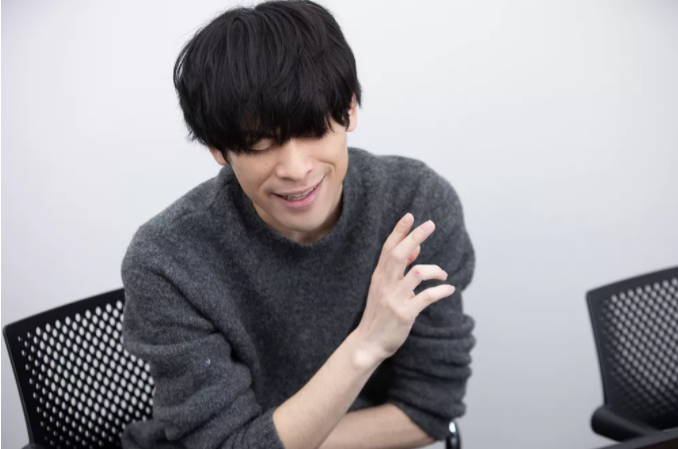
So…
This time around, it will actually be a double feature!
It was early afternoon in Malta when the interview started, but thanks to GACKT-san saying, “Ask everything you want to ask now,” it was evening by the time we concluded the interview.
In the end, it turned out to be a 3-hour long interview. That was beyond extravagant.
The theme of the second half is ‘Don’t misunderstand the meaning of hard work’. It will be posted in the coming days, so stay tuned!
(Lastly. I'm really sorry that this is an article about GACKT-san, but all the photos are of the interviewer… Please forgive us, we will do our best for the second part…!)
〈Interview/Text = Sano Tomoki (@mlby_sns) / Editing = Amano Shunkichi (@amanop) / Interviewer Pics = Hase Hidefumi (@hasehidephoto) / Interviewee Pics = Ikeda Hiromi〉
______________________
¹ 帝王学 (teiougaku) is what they call the education that teaches a person how to govern as a monarch.
Source: r25.jp
Translation: Yoshi @ GACKT ITALIA Team
Translation © GACKT ITALIA
[:it]
Qual è la teoria del successo di "Mr Perfect"?
Musicista, attore, imprenditore... GACKT-san è il Mr. Perfect che continua a produrre i migliori risultati in qualsiasi cosa faccia.
Questo gennaio, è uscito il libro "GACKT: The Art of Super Thought" che è pieno del suo modo di pensare. Questa volta, la generazione R25 che sta "facendo del suo meglio ma non può ottenere risultati" potrà imparare il "processo di pensiero di coloro che ottengono risultati" da GACKT-san stesso...!
【GACKT】 Attore, cantautore nato nella prefettura di Okinawa nel 1973. Attualmente vive a Kuala Lumpur, Malesia. Oltre ad essere il primo giapponese ad essere premiato come "Miglior artista rock asiatico", è anche un imprenditore e uomo d'affari in una vasta gamma di settori come quello immobiliare, cibo e bevande, e altri
Questa volta stiamo facendo un'intervista a distanza da Malta.
All'inizio mi sentivo nervoso e insicuro se saremmo stati in grado di condurre l'intervista senza problemi, ma l'intervista si è conclusa con un finale inaspettato... Spero che vi piaccia dall'inizio alla fine!
〈Intervistatore = Sano Tomoki〉
Andando dritto al cuore della questione... GACKT-san parla della "differenza cruciale tra coloro che ottengono risultati e coloro che non li ottengono
Sano (S):
GACKT-san, puoi sentirmi...?
Buona giornata!
GACKT-san (G):
... Ciao. Grazie, sono GACKT.
I miei capelli sono un po' in disordine, mi dispiace.
Solo per farvelo sapere, era veramente figo
S:
Oggi, vorrei chiedere a GACKT-san del 'processo di pensiero di coloro che ottengono risultati'.
Tipo, qual è la differenza tra quelli che ottengono risultati e quelli che non li ottengono.
G:
La differenza tra quelli che lo fanno e quelli che non lo fanno, eh...
In realtà, fino alla mia adolescenza, ero una persona molto negativa che si scoraggiava e rinunciava a tutto.
S:
Huh...!
G:
Ma ho incontrato il mio mentore a 19 anni che mi ha detto 'la mentalità di non mollare mai finché non vinco' attraverso questo modo di pensare chiamato 'kingcraft' ¹.
Durante l'anno successivo, ho messo in pratica ogni singola cosa che mi ha insegnato e ho padroneggiato completamente quella mentalità quando avevo 20 anni... Ho pensato, 'Ahh, ho vinto'.
S:
Venti... Non è troppo giovane?
A 20 anni, GACKT-san era convinto di aver "vinto". Io, invece, ho saltato così tanto la scuola che ho dovuto essere spinto per frequentare
S:
La 'mentalità di non arrendersi mai finché non si vince'... A cosa si riferiva esattamente GACKT-san?
G:
Ad andare a fondo alle persone.
S:
Huh...
G:
Ho deciso che avrei "chiamato 50 persone al giorno", poi sono andato avanti e l'ho fatto.
Personalmente, sto usando questo metodo di insegnamento per insegnare questa mentalità ai giovani anche adesso, ma...
Anche se questo è un incredibile esercizio di allenamento, ti faresti molto male. Perché la gente continuerebbe a ridere di te e a trattarti come se fossi un mostro.
S:
È... troppo terrificante...
Sicuramente non ho la forza mentale per questo.
G:
Ma, vedi, non importa quante volte vieni rifiutato. Perché alla fine, l'obiettivo è 'chiamare 50 persone entro il tempo stabilito'.
Se sei concentrato a completare la missione entro quel periodo di tempo, non avrai il tempo di sentirti ferito. Devi passare rapidamente alla prossima persona.
E mentre lo fai, il significato di 'essere rifiutato' scomparirà con il tempo. Perché questo fallimento diventerà semplicemente "un evento naturale" nel tuo viaggio verso il completamento della missione.
S:
In altre parole, si tratta di una sorta di allenamento psicologico per 'continuare a fallire e diventare più forte sotto i colpi fino a diventare insensibile'...?
G:
Sbagliato. Non si tratta di capire se qualcuno diventa più forte o meno sotto quelle percosse.
Il fallimento non riguarda il 'risultato' ma 'il processo che si fa per ottenere quei risultati'. Ecco perché, in primo luogo, non c'è bisogno di farsi male.
Lo scopo di questo allenamento è di aiutare le persone a capire questo fatto.
S:
Non c'è bisogno di farsi male...
G:
Per quanto riguarda la differenza tra coloro che ottengono risultati e coloro che non li ottengono, la risposta è molto semplice.
'Se ti arrendi a metà strada o no'. Questo è tutto.
Per coloro che ottengono risultati, non importa quante volte falliscono nel processo, essi 'continuerebbero ad andare avanti fino a quando i risultati saranno raggiunti'. Queste persone non diranno mai le parole: 'Non ne verrà fuori niente'. Diranno sempre: 'Non ho ancora visto risultati'.
S:
... Ora che ci penso, nella nostra precedente intervista hai anche detto che "le cose non si dividono in percorsi di "successo" o "fallimento". C'è "fallimento", "fallimento", "fallimento"... "successo". Il percorso continua semplicemente finché non hai successo".
G:
Ma questo contiene la sfumatura di superare le cose con spirito combattivo e perseveranza. Affinché le persone rimangano forti senza crollare a metà strada, penso che la 'forza mentale' sia necessaria, ma non [lo spirito combattivo o la perseveranza].
Hai solo bisogno di capire che la verità è 'fallimento = il processo per raggiungere i risultati'.
E in una certa misura, se vuoi scoprire questa verità il più presto possibile, devi aver accumulato 'un certo numero di errori' prima che ciò accada.
La maggior parte delle persone nel mondo è disastrosa nel "fissare gli ostacoli".
S:
Ma, onestamente, ci sono anche persone che si scoraggiano...
Hai qualche consiglio per superare questo?
G:
Giusto, beh... Innanzitutto, qual è esattamente "la differenza tra coloro che lavorano duramente fino ad ottenere risultati e coloro che si scoraggiano a metà strada". Cerchiamo di capirlo.
Pensateci. Quando si tratta di 'giochi', perché pensi che tutti continuino a provare di nuovo, non importa quante volte falliscono?
S:
Giochi...
G:
La risposta a questo è "perché conoscono la gioia di raggiungere l'obiettivo".
S:
La gioia di raggiungere l'obiettivo, eh.
G:
I giochi sono davvero ben fatti, nel senso che sicuramente mettono "un ostacolo così basso che chiunque può attraversarlo" nella primissima fase per insegnare ai giocatori il "senso di realizzazione quando si supera una fase".
Dopo di che, avrebbero aumentato l'ostacolo un po' alla volta, ma... per i giocatori che hanno questa sorta di 'gioia masochistica' di 'rompere gli ostacoli per raggiungere un obiettivo' incisa in loro, l'unica cosa che hanno nel mirino è l'obiettivo.
Ecco perché, non importa quante volte falliscano, continueranno a provare di nuovo fino a quando non avranno superato il quadro.
S:
Ah, credo di capire questa sensazione.
G:
D'altra parte, le persone che non conoscono la gioia che viene subito dopo aver superato l'ostacolo, finiranno per concentrarsi su questi immediati sentimenti 'agonizzanti' e 'amari'. Ed è per questo che si scoraggeranno.
In altre parole, per diventare "una persona che non si arrende finché non si raggiungono i risultati", è necessario conoscere "la gioia di superare gli ostacoli e raggiungere l'obiettivo".
Hai capito finora?
OK!
G:
Tuttavia, a differenza dei giochi, dove gli sviluppatori progettano squisitamente degli ostacoli "abbastanza alti da far lavorare duro i giocatori"... Nella vita devi impostare i tuoi ostacoli.
La maggior parte delle persone nel mondo è disastrosa in questa impostazione personale.
S:
D-disastrosa, eh...
G:
Tutti fissano improvvisamente questo ostacolo troppo alto per se stessi e finiscono per frustrarsi prima ancora di poter sperimentare la gioia di raggiungere un obiettivo.
Non è questo il modo. Ogni persona di successo inizia "diventando una persona che può superare gli ostacoli quotidianamente".
Ostacoli su base giornaliera?
G:
Ed è per questo che ho iniziato con l'ostacolo giornaliero di 'chiamare 50 persone al giorno' con tutto il lavoro di raccolta che ho fatto.
All'inizio, riuscivo a malapena a raggiungere questo obiettivo. Ma verso il mio terzo mese di lavoro quotidiano, ci sono riuscito facilmente senza problemi.
Poi, ho alzato l'ostacolo a 'ottenere 50 persone che mi salutano al giorno', e dopo questo, l'ho ulteriormente aumentato a 'iniziare una conversazione con 50 persone al giorno'.
S:
Quindi, in definitiva, si tratta di mantenere quella cosa 'quotidiana' mentre si alza l'asticella.
G:
In una settimana, ci sono 7 'giorni'. In un mese, ci sono 30 'giorni'. E in un anno, 365 "giorni".
La vita è una routine ripetuta di "giorni".
Ciò che è importante è come si migliora la precisione nello spendere il proprio "1 giorno". Non c'è una persona che possa ottenere grandi risultati trascurando questo settore.
S:
Capisco...
G:
Iniziare prima con un periodo di 1 mese è sufficiente. Perché la verità è che ci sono pochissime persone che possono continuare a fare una qualsiasi cosa con costanza per un mese.
Se migliori ogni 'giorno' in questo modo, puoi alla fine aumentare la scala dei tuoi obiettivi a 'obiettivi settimanali', e 'obiettivi mensili'.
Quando ripeti questo processo, nel momento in cui diventi 'una persona che può cancellare un obiettivo annuale', non c'è dubbio che ti sarai trasformato in 'uno di quelli che possono ottenere risultati'.
Fino ad ora, nemmeno io ho usato parole come 'talento' o 'strategia' [su me stesso].
S:
Anche se c'è qualcosa che voglio chiedere...
Se vuoi ottenere risultati, non solo devi accumulare il tuo numero [di fallimenti], ma devi anche metterci 'lo sforzo di migliorarti', giusto?
Quindi, non sarebbe meglio fare una strategia adeguata prima di agire...?
G:
Guarda...
Ti sembrerà scortese, ma 'strategia' è una parola che dovrebbe essere usata da persone di livello molto più alto.
Me l'ha detto in modo estremamente diretto
G:
Per lo meno, senza mezzi termini, quando si tratta di persone che dicono cose come: 'Il lavoro non va bene' e 'Tendo a rinunciare a metà strada', non hanno assolutamente nulla a che fare con la 'strategia'.
Andrei anche oltre per dire che questo non ha assolutamente nulla a che fare con il 'talento'.
La gente trova facile dire cose come: 'È perché non ho talento', vero? Ma il fatto è: 'No, è perché questo non ha niente a che fare con il talento'. La ragione per cui le cose non vanno bene è semplicemente perché 'non ci stai provando'.
S:
... Suppongo sia vero che la gente spesso usa la 'strategia' e il 'talento' come scuse per non fare le cose.
G:
Fino ad ora, nemmeno io ho mai usato parole come 'talento' [su di me].
Per la maggior parte delle persone, parole come 'talento' e 'strategia' sono completamente inutili.
Potrebbe sembrare severo, ma in realtà è meglio che le persone pensino a se stesse come a 'essere in una fase particolare'. Ciò di cui hanno bisogno è 'un numero di sfide e tentativi'. Basta 'provare'.
S:
Queste parole hanno molto peso quando è GACKT-san a dirle...
G:
Ci saranno probabilmente persone che leggeranno questo articolo e sceglieranno comunque di non fare una mossa per ragioni come 'non ho il talento' o 'sto lavorando alla mia strategia ora' ma...
Beh, per persone come te, cose come 'talento' e 'strategia'...
Non cominciare nemmeno a dire 't-' o 'st-'! (Lol)
Ho finito per ridere
G:
Non usare il talento o la mancanza di esso come motivo per non provare.
Le persone che hanno fatto quello che dovevano fare durante la loro vita e tuttavia non sono riuscite ad arrivare ad un punto di cui possono essere soddisfatte; queste sono le uniche persone che possono dirlo per la prima volta sul letto di morte.
Che "non avevo il talento per farlo".
Anche se non puoi ottenere risultati ora, "quelli che ci hanno provato" saranno quelli che rideranno alla fine
S:
Sono sicuro che ci sono quelli tra i lettori che "perdono la fiducia a causa della mancanza di risultati" ma...
Sta dicendo che non c'è bisogno di pessimismo?
G:
Assolutamente no. Perché, vede, lei è sulla strada [verso il suo obiettivo], giusto?
La maggior parte delle persone smette di camminare per frustrazione prima ancora di arrivare alla battaglia vera e propria. Non è più una questione di, 'Non posso'. È solo, 'non voglio'.
Combattiamo tutta la vita fino alla morte.
S:
... Penso che ci siano molte persone che saranno state incoraggiate dalle parole che hai appena condiviso con noi.
Grazie mille per oggi. Anch'io farò del mio meglio per scrivere un buon articolo!
G:
Sì, non vedo l'ora.
... Anche se, in realtà, se c'è ancora qualcosa che vuoi chiedere, finiamo tutto ora. Visto che oggi ho tempo.
S:
Cosa! ????
So…
Quindi...
Questa volta, sarà davvero un doppio spettacolo!
Era il primo pomeriggio a Malta quando l'intervista è iniziata, ma grazie a GACKT-san che ha detto: "Chiedi tutto quello che vuoi chiedere ora", era già sera quando abbiamo concluso l'intervista.
Alla fine, si è rivelata un'intervista di 3 ore. È stato più che stravagante.
Il tema del secondo tempo è "Non fraintendere il significato del duro lavoro". Sarà pubblicato nei prossimi giorni, quindi rimanete sintonizzati!
(Infine. Mi dispiace molto che questo sia un articolo su GACKT-san, ma tutte le foto sono dell'intervistatore... Per favore perdonateci, faremo del nostro meglio per la seconda parte...)!
〈Intervista/Testo = Sano Tomoki (@mlby_sns) / Montaggio = Amano Shunkichi (@amanop) / Foto dell'intervistatore = Hase Hidefumi (@hasehidephoto) / Foto dell'intervistato = Ikeda Hiromi〉
______________________
¹ 帝王学 (teiougaku) è ciò che chiamano l'educazione che insegna ad una persona a governare come un monarca.
Fonte: r25.jp
Traduzione: Yoshi @ GACKT ITALIA Team
Traduzione © GACKT ITALIA
[:]


[:en][PHOTO] TAKESHI TSURUNO INSTAGRAM - JAN 09 2021[:it][FOTO] TAKESHI TSURUNO INSTAGRAM - GEN 09 2021[:]
[:en]Mon Ryo Instagram update, new photo with GACKT. Translation below:
Mr. GACKT is in my car.
#GACKT!
Thank you for taking time out of your busy schedule to visit me!
I'll train my mental strength to be able to tandem with Mr. GACKT😊.
#RidingTanoshi YouTube
#Gakuchan YouTube
Translation: GACKT ITALIA Team
Translation © GACKT ITALIA
[:it]Mon Ryo instagram update, nuova foto con GACKT. Traduzione a seguire:
Il signor GACKT è nella mia auto.
#GACKT!
Grazie per aver sottratto del tempo alla vostra fitta agenda per venirmi a trovare!
Allenerò la mia forza mentale per poter lavorare in tandem con Mr. GACKT😊.
#RidingTanoshi YouTube
#Gakuchan YouTube
Traduzione: GACKT ITALIA Team
Traduzione © GACKT ITALIA
[:]