



[:en]EASTASIA.FR: OKINAWA INTERNATIONAL MOVIE FESTIVAL # 7 : INTERVIEW WITH GACKT (KARANUKAN)[:it]EASTASIA.FR: OKINAWA INTERNATIONAL MOVIE FESTIVAL # 7 : INTERVISTA CON GACKT (KARANUKAN)[:]
[:en]
OKINAWA INTERNATIONAL MOVIE FESTIVAL # 7 : INTERVIEW WITH GACKT (KARANUKAN)
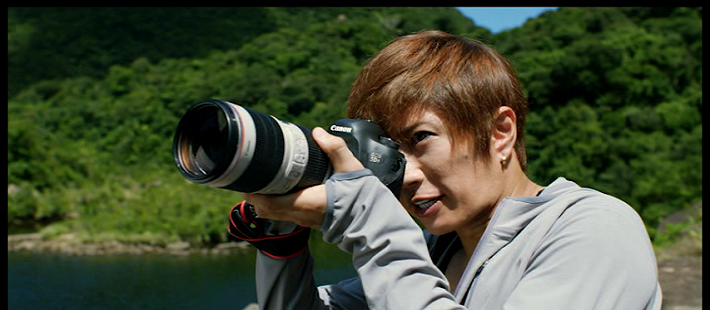
While coming at the Okinawa International Movie Festival to present his new movie: Karanukan by Hamano Yasuhiro, GACKT has accepted to to answer our questions. A meeting with the legend!
GACKT. Who is he? But most of all what is GACKT? In the mid 90s, the Visual Kei group, Malice Mizer adopt a new singer that became the other grand figure of the group instantaneously. This young singer, is GACKT. His presence in the group will propel him into the popular Japanese imagination as a vampiric being with an impassive face. He started his solo career where he affirmed himself through his albums and collaborations at the cinema as a mysterious and bewitching character. He plays with his image, and he reflects on his figures in the Japanese pop culture during the 2000s builting the myth of GACKT outside his appearances. His physique marks Hideo Kojima or Tetsuya Nomura who will not fail to pay homage to him by integrating his face on one of the characters of the saga Final Fantasy. On the contrary, GACKT is in the spirit of the Japanese public but also int the world one: without know it, you’ve probably already seen his face in the ersatz that he sowed in Japan. The legend of GACKT precedes him, it is said that he would have paranormal powers or that he would come from another time. The ancient singer from Malice Mizer is like a modern myth between Marylin Manson, Mylène Farmer and Prince. He adapts at every trend and all the styles since 20 years, without denying the baroque gesture at the origin of its popularity of his image. In Karanukan, GACKT returns on his original island, to reveal a bit of the mystery that surrounds it ... Or maybe not.
Kephren Montoute.

East Asia: Why did you choose Karanukan for your comeback at the cinema, after a long break of 14 years in your acting career?
In fact, I never stopped my acting career. I continued with drama for television, but my main activity is music. I had many offers for movies, but in fact, the calendars did not match. For planning reasons, I could not participate and I had to postpone many offers. But in this case, with Karanukan, the proposal came just after a tour, and the timing was perfect for me. That was one of the reasons why I was able to accept. But I was also born in Okinawa and wondered what I could do for Okinawa and its inhabitants as an native from the island. This is what was most of all a very important point that convinced me to join this project.
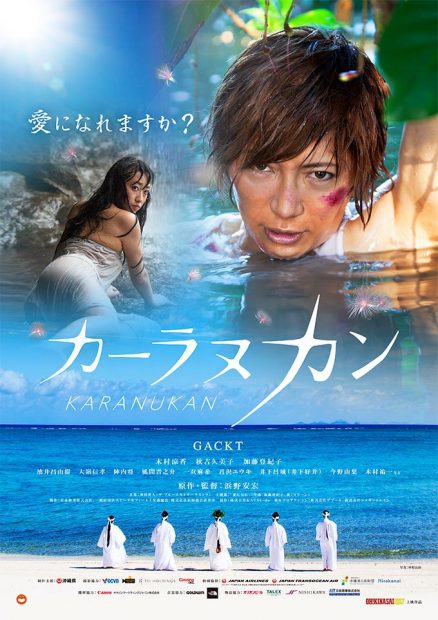
The Japan Times: So you were born in Okinawa. When you came back, did you feel nostalgic?
I did not really feel nostalgia. I always try to get back to Okinawa at least once a year. But this time I made this film in northern Okinawa and also in the South islands, especially in Iriomote. These are places that have kept the traces of historic Okinawa. These are scenes I could see when I was a child. All this atmosphere has plunged me back into my past in Okinawa. In fact, I went to Iriomote for the first time in my life for this filming and I was really struck by its beauty.
Billboard: You participated in Hollywood movies and Japanese movies. What are the differences between these productions?
In American movies, especially in Hollywood, the production is huge and the budget is very large compared to Japanese productions, where the schedule is very tight in terms of filming days. Because of this difference, things are more difficult here. But that does not mean I do not like working on Japanese productions. I like the fact that people try to do their best from this limited environment and budget. I love working with these people. So there really are talented people. But when I look at the Japanese film industry as a whole, I get the impression that the profits are low. And it's worse and worse. I find that very worrying. I think the Japanese government should bring more support to the entertainment industries, not just movies, but also music. A more active aid would be a good thing.
East Asia: Do you see yourself as a singer / musician who sometimes makes a movie or is it a real career for you?
When I look deeply into myself, I do not categorize myself as a musician or actor. I do not divide into one of these boxes. I see myself as an expressionist: I express things, I am neither an actor nor a musician. In this perspective, I wonder how to express these things: by music, or by acting? That's the difference. I do not make career choices based on this distinction. In fact, I am personally not really interested in being an actor in Japan. If I have to do it, I would like to do it outside of Japan. But the offers are not so numerous and even when they arrive, my schedule does not allow me to accept them.
The Japan Times: You play in Karanukan with the debutante actress Suzuka Kimura. What did you think of her performance?
If Karanukan was a classic film, with the use of a classic Japanese, it could have been harder for her, as it is her very first role. But in this film, she plays a girl from Okinawa. She uses her accent and dialect. When she speaks, her intonation is different and works well in this context. As a beginner, I think she can become mature and become an important actress.
Billboard: The gods and spirits are very present in the film. What are your beliefs?
In the past, many journalists have asked me this question. In Japan, we have many religions, but it is close enough to not being religious. In other countries, there are very few people who do not believe in what religions teach such as Christianity, Judaism, Islam or Buddhism, among others. Whereas in Japan, there are very few. Even if your own parents are religious, the children do not know what to believe. Okinawa is truly unique. My family believes that deceased family members become gods, and that they must be venerated. The other religion celebrates nature. So we have these two conceptions in Okinawa: venerating ancestors or nature. So we have gods in the water, the ocean, the mountains ... Having a relationship with these gods is very natural. It's a bit like being grateful for everything that surrounds us. Thanks to all that one has, beauty is everywhere. Venerating nature has no detailed theorization or well-defined rituals. Those who do it simply love nature and the mountains. As far as I'm concerned, when I have free time, I like to go to a place where I can feel nature and enjoy the wind.
Billboard: Through this film, were you able to express your beliefs?
Few Japanese really believe this kind of belief. I do not talk about it in public because it would be hard to understand what I mean. But there are opportunities to express and explain what I believe in. I sometimes tell people they have to appreciate things in their lives. In the United States, environmentalists impose rules such as banning dolphins or whales. They are against many things, but in Japan, worshiping nature is something different. We must be happy with what we have and appreciate our lives.
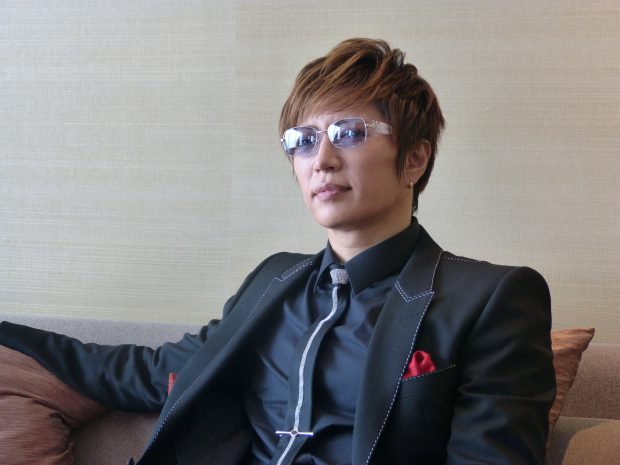
East Asia: Your character shares some of these mythological aspirations. Were these elements present in the script or did you add them?
I do not think the character in the film is so close to my own character, or my personality in real life. This character in the film is tired of living in a big city, although he has become very well known and successful in life. He is tired of all this. His journey to Iriomote will enable him to find something he has lost. Myself, I am a very calm person, and I do not like the big cities. But I do not really do anything about going to the countryside. When returning to Iriomote, the character of the film reconnects with something essential, basic. He begins to work the earth. Many city dwellers go to Iriomote and start a new life, to become farmers. But this does not necessarily mean that they are tired of living in bigger cities. It is as if Japan was sick. In Tokyo, people no longer seem satisfied with anything, do not feel anything. I feel that the earth itself is sick. The more technological advances are present, the more people seem disconnected from each other. There are no heart-to-heart connections between people. The information flows from one person to another, but no real communication takes place. Technology develops, but the heart is set aside. People understand what is going on, but their hearts are empty.
Interview by Victor Lopez in Naha on 23/04/2017.
Translation (French): Eiko Mizuno-Gray
Photos by Elvire Rémand.
Thanks to: Momoko Nakamura, Aki Kihara et toute l’équipe du festival d’Okinawa.
Source: eastasia.fr
Translation: GACKT ITALIA Team
Translation © GACKT ITALIA
[:it]
OKINAWA INTERNATIONAL MOVIE FESTIVAL # 7 : INTERVISTA CON GACKT (KARANUKAN)
Mentre arriva all'Okinawa International Movie Festival per presentare il suo nuovo film: Karanukan di Hamano Yasuhiro, GACKT ha accettato di rispondere alle nostre domande. Un incontro con la leggenda!
GACKT. Chi è lui? Ma soprattutto cos'è GACKT? A metà degli anni '90, il gruppo di Visual Kei, Malice Mizer adotta un nuovo cantante che divenne istantaneamente l'altra grande figura del gruppo. Questo giovane cantante, è GACKT. La sua presenza nel gruppo lo farà esplodere nella fantasia popolare giapponese come un essere vampiresco con un volto impassibile. Ha iniziato la sua carriera solista dove si è affermato attraverso i suoi album e collaborazioni al cinema come un personaggio misterioso e incantevole. Gioca con la sua immagine, e riflette sul suo personaggio nella cultura pop giapponese durante gli anni 2000, costruendo il mito di GACKT al di fuori del suo aspetto. Il suo fisico colpisce Hideo Kojima o Tetsuya Nomura che non mancheranno di rendergli omaggio integrandone il viso su uno dei personaggi della saga Final Fantasy. Al contrario, GACKT è nello spirito del pubblico giapponese, ma anche nel mondo: senza saperlo, probabilmente avete già visto il suo volto negli ersatz che ha riempito in Giappone. La leggenda di GACKT lo precede, si dice che avrebbe poteri paranormali o che sarebbe venuto da altri tempi. L'antico cantante di Malice Mizer è come un mito moderno tra Marylin Manson, Mylène Farmer e Prince. Si adatta a ogni tendenza e tutti gli stili da vent'anni, senza negare il gesto barocco all'origine della sua popolarità della sua immagine. In Karanukan, GACKT ritorna sulla sua isola nativa, per rivelare un po' del mistero che la circonda ... O forse no.
Kephren Montoute.
EstAsia: Perché hai scelto Karanukan per il tuo ritorno al cinema, dopo una lunga pausa di 14 anni nella tua carriera di attore?
A dire il vero, non ho mai fermato la mia carriera di attore. Ho continuato con i dramma per la televisione, ma la mia attività principale è la musica. Avevo molte offerte per i film, ma in realtà i calendari non corrispondevano. Per motivi di produzione non ho potuto partecipare e ho dovuto rimandare molte offerte. Ma in questo caso, con Karanukan, la proposta è arrivata subito dopo un tour e la tempistica è stata perfetta per me. Questo è stato uno dei motivi per cui ho potuto accettare. Ma sono nato anche a Okinawa e mi sono chiesto cosa potessi fare per Okinawa e i suoi abitanti come nativo dell'isola. Soprattutto questo è stato un punto molto importante che mi ha convinto a partecipare a questo progetto.
The Japan Times: Quindi sei nato a Okinawa. Quando sei tornato, ti sei sentito nostalgico?
Non mi sentivo nostalgico. Cerco sempre di tornare a Okinawa almeno una volta l'anno. Ma questa volta ho fatto questo film nel nord di Okinawa e anche nelle isole del Sud, specialmente ad Iriomote. Questi sono luoghi che hanno mantenuto le tracce dell'Okinawa storica. Sono scene che ho potuto vedere quando ero bambino. Tutta questa atmosfera mi ha ripreso nel mio passato a Okinawa. Infatti, sono andato a Iriomote per la prima volta nella mia vita per questa riprese e sono stato davvero colpito dalla sua bellezza.
Billboard: Hai partecipato a film di Hollywood e film giapponesi. Quali sono le differenze tra queste produzioni?
Nei film americani, specialmente a Hollywood, la produzione è enorme e il budget è molto grande rispetto alle produzioni giapponesi, dove il calendario è molto stretto in termini di filmati. A causa di questa differenza, le cose sono più difficili qui. Ma questo non significa che non mi piace lavorare alle produzioni giapponesi. Mi piace il fatto che la gente cerca di fare del suo meglio da questo ambiente e con budget limitato. Amo lavorare con queste persone. Quindi ci sono veramente persone di talento. Ma quando guardo l'industria cinematografica giapponese nel suo insieme, ho l'impressione che i profitti siano bassi. E semprepeggio. Trovo che sia molto preoccupante. Penso che il governo giapponese dovrebbe portare più sostegno alle industria dell'intrattenimento, non solo per i film, ma anche per la musica. Un aiuto più attivo sarebbe una cosa buona.
EastAsia: Ti vedi come cantante / musicista che a volte fa un film o è una vera carriera per te?
Quando guardo profondamente in me stesso, non mi categorizza come musicista o attore. Non divido in una di queste caselle. Mi vedo come espressionista: esprimo le cose, non sono né un attore né un musicista. In questa prospettiva, mi chiedo come esprimere queste cose: con la musica, o con la recitazione? Questa è la differenza. Non faccio scelte di carriera basate su questa distinzione. In realtà, non sono personalmente interessato ad essere un attore in Giappone. Se devo farlo, vorrei farlo al di fuori del Giappone. Ma le offerte non sono così numerose e anche quando arrivano, i miei impegni non mi permettono di accettarli.
The Japan Times: Reciti in Karanukan con l'attrice debuttante Suzuka Kimura. Cosa ne pensi della sua performance?
Se Karanukan fosse in un film classico, con l'uso di un classico giapponese, sarebbe stato più difficile per lei, visto che è il suo primo ruolo. Ma in questo film interpreta una ragazza di Okinawa. Lei usa il suo accento e il suo dialetto. Quando parla, la sua intonazione è diversa e funziona bene in questo contesto. Come principiante, credo che possa diventare matura e diventare un'attrice importante.
Billboard: Gli dei e gli spiriti sono molto presenti nel film. Quali sono le tue credenze?
In passato, molti giornalisti mi hanno chiesto questa domanda. In Giappone, abbiamo molte religioni, ma è abbastanza vicino per non essere religiosi. In altri paesi, non esistono poche persone che non credono in ciò che le religioni insegnano, come il Cristianesimo, l'Ebraismo, l'Islam o il Buddismo, tra gli altri. Mentre in Giappone, sono molto pochi. Anche se i tuoi genitori sono religiosi, i bambini non sanno cosa credere. Okinawa è davvero unica. La mia famiglia crede che i membri deceduti della famiglia diventino dei, e che debbano essere venerati. L'altra religione celebra la natura. Quindi abbiamo queste due concezioni in Okinawa: venerare gli antenati o la natura. Quindi abbiamo degli dei nell'acqua, nell'oceano, nelle montagne... Avere un rapporto con questi dèi è molto naturale. È un po' come essere grato per tutto ciò che ci circonda. Grazie a tutto ciò che ha, la bellezza è ovunque. La venerazione della natura non ha particolari teorizzazioni o riti ben definiti. Coloro che lo fanno semplicemente amano la natura e le montagne. Per quanto mi riguarda, quando ho tempo libero, mi piace andare in un luogo dove riesco a sentire la natura e godere del vento.
Billboard: attraverso questo film, hai potuto esprimere le tue credenze?
Pochi giapponesi credono veramente a questo tipo di credenze. Non ne parlo in pubblico perché sarebbe difficile capire cosa intendo. Ma ci sono occasioni per esprimere e spiegare ciò in cui credo. A volte parlo alle persone dicendo che devono apprezzare le cose nella loro vita. Negli Stati Uniti, gli ambientalisti impongono norme come il divieto di delfini o balene. Sono contro molte cose, ma in Giappone adorare la natura è qualcosa di diverso. Dobbiamo essere felici di ciò che abbiamo e apprezziamo la nostra vita.
Eat Asia: Il tuo personaggio condivide alcune di queste aspirazioni mitologiche. Erano presenti questi elementi nello script o li hai aggiunti?
Non credo che il personaggio del film sia così vicino al mio personaggio o alla mia personalità nella vita reale. Questo personaggio nel film è stanco di vivere in una grande città, anche se è diventato molto famoso e ha avuto successo nella vita. E' stanco di tutto questo. Il suo viaggio verso Iriomote gli permetterà di trovare qualcosa che ha perso. Io sono una persona molto calma e non mi piacciono le grandi città. Ma non faccio davvero niente per andare in campagna. Quando ritorna a Iriomote, il personaggio del film si riconnette con qualcosa di essenziale, fondamentale. Comincia a lavorare la terra. Molti abitanti della città vanno a Iriomote e cominciano una nuova vita, per diventare agricoltori. Ma questo non significa necessariamente che siano stanchi di vivere in città più grandi. È come se il Giappone fosse malato. A Tokyo, le persone non sembrano più soddisfatte di niente, non sentono niente. Sento che la terra stessa è malata. Più avanzamenti tecnologici sono presenti, più le persone sembrano scollegate l'una dall'altra. Non esiste alcuna connessione tra cuore e cuore tra le persone. Le informazioni scorrono da una persona all'altra, ma non esiste alcuna comunicazione reale. La tecnologia si sviluppa, ma il cuore viene messo da parte. La gente capisce cosa sta succedendo, ma i loro cuori sono vuoti.
Intervista da Victor Lopez a Naha il 23/04/2017.
Traduzione (Francese): Eiko Mizuno-Gray
Foto di Elvire Rémand.
Grazie a: Momoko Nakamura, Aki Kihara et toute l’équipe du festival d’Okinawa.
Fonte: eastasia.fr
Traduzione: GACKT ITALIA Team
Traduzione © GACKT ITALIA
[:]


[:en]YASUHIRO HAMANO FACEBOOK - MAY 06 2017[:it]YASUHIRO HAMANO FACEBOOK - MAG 06 2017[:]
[:en]Yasuhiro Hamano Facebook update. Translation below:
3 years since the inspiration of the movie Karanukan, 2 years since I started moving on my own and turning it into a movie, 1 year since I worked with Yoshimoto Kogyo.
On April 23, 2017, I walked on the red carpet as a specially invited director with GACKT, Kimura Suzuka, Omine Nobutaka, with Noro and the singers, and premier screening concluded with a full house. We've started moving towards the next Okinawa movie.
With the screening of the movie TETON - Yama no Koe at Urasoe Tedako Hall and Yanbaru National Park and Kamiji Ino and the success of having 500 people having fun at the talk show,
we will start touring around the country for a film and talk with a focus on cities adjacent to natural parks.
To everyone from Okinawa, and everyone who came from the rest of Japan, thank you.
Thank you for the long holiday.
Source: Yasuhiro Hamano Facebook
Translation: GACKT ITALIA Team
Translation © GACKT ITALIA
[:it]Yasuhiro Hamano Facebook update. Traduzione a seguire:
3 anni dall'ispirazione per il film Karanukan, 2 anni da quando ho cominciato a muovermi da solo e trasformarlo in un film, 1 anno da quando ho lavorato con Yoshimoto Kogyo.
Il 23 Aprile 2017, io ho camminato sul red carpet come regista invitato speciale con GACKT, Kimura Suzuka, Omine Nobutaka, con Noro e i cantanti, e la premier si è conclusa con una full house. Abbiamo cominciato a muoverci verso il prossimo film ad Okinawa.
Con la visione del film TETON - Yama no Koe alla Urasoe Tedako Hall e Yanbaru National Park e Kamiji Ino e il successo di avere 500 persone che si divertivano al talk show,
cominceremo a girare la nazione per un film e parlando e per parlae con una concentrazione sulle città adiacenti ai parchi naturali.
A tutti da Okinawa, e tutti coloro che sono venuti dal resto del Giappone, grazie.
Grazie per la lunga vacanza.
Fonte: Yasuhiro Hamano Facebook
Traduzione: GACKT ITALIA Team
Traduzione © GACKT ITALIA
[:]


[:en]JAPANLIFESTYLE.FR: Okinawa International Movie Festival: Interview with GACKT (Karanukan)[:it]JAPANLIFESTYLE.FR: Okinawa International Movie Festival: Intervista con GACKT (Karanukan)[:]
[:en]
Okinawa International Movie Festival: Interview with GACKT (Karanukan)

It’s a double return to his source that GACKT did while he’s presenting his new movie, Karanukan by Hamano Yasuhiro, with his comeback to the cinemas after 14 years in his actor career, at the Okinawa International Movie Festival. The legendary Malice Mizer singer, whose 20 years of career has been a never stopping success, is in fact born in the archipelago in the extreme south of Japan.
We took advantage of his presence at the festival to talk about his career choice, his emotional attachment to Okinawa and his beliefs.
Karanukan and the career as an actor
«I never stopped my career as an actor. I continued with some dramas for television, but my main activity is music. I had many offers for the cinema, but in fact, the schedules were never matching. Due to production reasons, I was never able to participate and I had to refuse a lot of opportunities.
When I look back at my deepest self, I don’t categorize myself neither as a musician nor an actor. I don’t divide myself to be enclosed in one of these two cases. I see myself as an expressionist: I express some things, I am neither an actor, nor a musician. With this point of view, I wonder how to express these things: with music, or with acting? Here’s the difference. I don’t make a choice for my career based on such a distinction. In fact, I am personally not really interested to be a comedian for Japan. However, if I have to do it, I’d love to do it outside Japan. But the offers are not so numerous and at the same time when they arrive, my busy schedule won’t allow me to accept them.
In the American movies, especially in Hollywood, the production is immense and the budget is really important compared to Japanese productions, where the planning is very strict in terms of filming days. In light of this difference, things are more difficult here. But this doesn’t mean that I wouldn’t love to work on Japanese production. I love the fact that people try to do their best starting in this environment and with a limited budget. I’d love to work with those people. There are actually really talented people. But when I consider the Japanese cinema industry in its ensemble, I have the impression that the profit is low. And it gets worse slowly. I find this very worrying. I think that the Japanese government should bring more solutions to the entertainment industry, and not just the movies, but also music. A more active help would be a really good thing.
Regarding Karanukan, the position arrived just before a tour, and the schedule was perfect for me. It was one for the reasons why I was able to accept. But I was also born in Okinawa and I wondered what I could do for Okinawa and its inhabitants as a native of the island. This is the main point, extremely important, that convinced me to join this project.» 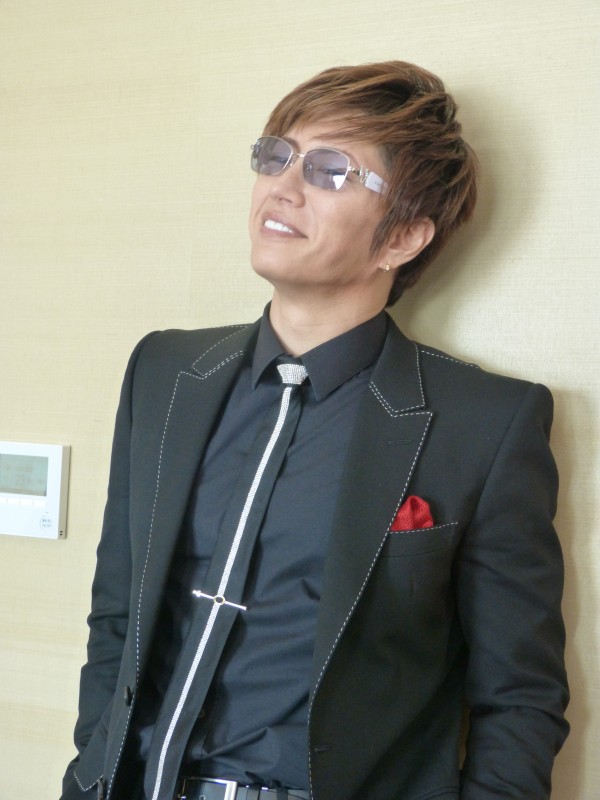
Okinawa
«I always try to come back to Okinawa at least once a year. But this time, I filmed this movie in the north of Okinawa and also in the southern islands, especially in Iriomote. These are places that have kept the traces of historic Okinawa. These are the scenes that I was able to see when I was a kid. All this atmosphere put me in my past in Okinawa. In fact, I went back to Iriomote for the first time in my life thanks to this tour and I was really shaken by its beauty»
Spirituality
«In Japan, we have many religions, but it’s finally close enough to the fact of not being religious. In other countries, there are too few people that don’t believe to what religions teach like Christianity, Judaism, Islam or Buddhism, among others. While in Japan there are quite a few. It’s the same when the parents are religious people, the kids don’t know what to believe. Okinawa is truly unique. My family believed that the members of the family that passed away became gods, and that we had to venerate them. So we have these two conceptions in Okinawa: venerate the ancestors or the nature. Therefore we have gods in the water, the ocean, the mountains… to have a relation with these gods is very natural.
It’s almost as if we have to acknowledge everything that surrounds us. Thanks to all that we have, beauty is everywhere. To venerate nature doesn’t have a detailed theorization nor well defined rituals. Those who practice this simply love the nature and the mountains. For what concerns me, when I have free time, I love to go in a place where I can enjoy nature and the wind.
In Karanukan (GACKT plays a photographer from Tokyo, coming to recharge in Okinawa - ndr) my character is tired of the life in a big city, even if he became famous and successful. He’s tired of all this. His travel to Iriomote allows him to find something that he lost. I myself am a person very cald and I don’t love too much big cities. But I do not really do anything about going to the countryside. While coming back to Iriomote, the character of the movie revives with something essential, basic. He starts travelling the land. A lot of citizens go to Iriomote and start a new life, they become farmers. But this doesn’t necessarily means that they are tired of living in bigger cities. It’s like as if Japan is sick. In Tokyo, people seem not to be satisfied by anything, they don’t feel anything. I have the feeling that the world itself is sick. The more advance technology are present, the more people disconnect from one another. There are no more connection heart to heart between people. The information transit from one person to another, but no real communication takes place. Technology develops, but the heart is put aside. People understand what’s happening, but the heart is empty.»
Interview by Victor Lopez in Naha on 23/04/2017.
Translation (French): Eiko Mizuno-Gray
Photos by Elvire Rémand.
Thanks to: Momoko Nakamura, Aki Kihara and all the Okinawa festival team
Source: japanlifestyle.fr
Translation: GACKT ITALIA Team
Translation © GACKT ITALIA
[:it]
Okinawa International Movie Festival: Intervista con GACKT (Karanukan)
E' un doppio ritorno alle suo origini quello che GACKT ha fatto mentre sta presentando il suo nuovo film, Karanukan di Hamano Yasuhiro, con il suo ritorno al cinema dopo 14 anni con la carriera di attore, all'Okinawa International Movie Festival. Il leggendario cantante del Malice Mizer, i cui 20 anni di carriera sono stati un successo senza fine, è infatti nato nell'arcipelago nell'estremo sud del Giappone.
Abbiamo approfittato della sua presenza al festival per parlare della scelta della sua carriera, la sua connessione con Okinawa e le sue credenze.
Karanukan e la carriera come attore
«Io non ho mai smesso la mia carriera come attore. Ho continuato con alcuni drama per la televisione, ma la mia attività principale è la musica. Ho avuto molte offerte per il cinema, ma a dire il vero, le agente non corrispondevano mai. A causa di ragioni di produzione, non sono mai riuscito a partecipare e ho dovuto rifiutare molte opportunità.
Quando io guardo indietro al me più profondo, non mi categorizzo né come musicista né come attore. Non mi divido per essere chiuso in uno di questi due casi. Io vedo me stesso come un espressionista: Io esprimo alcune cose, non sono né un attore, né un musicista. con questo punto di vista, io mi chiedo come esprimere queste cose: con la musica, o con la recitazione? Ecco la differenza. Io non faccio scelte per la mia carriera in base ad una distinzione tale. Infatti, io non sono personalmente interessato ad essere un comico per il Giappone. Tuttavia, se devo farlo, mi piacerebbe farlo fuori dal Giappone. Ma le offerte non sono così numerose e allo stesso tempo quando arrivano, la mia fitta agenda non mi permette di accettarle.
Nei film americani, specialmente ad Hollywood, la produzione è immensa e il budget è davvero importante comparato alle produzione giapponesi, dove la pianificazione è molto severa in termini di giorni di lavoro. In luce di queste differenze, le cose sono più difficili qui. Ma questo non vuol dire che non mi piacerebbe lavorare su una produzione giapponese. Amo il fatto che le persone provino a fare del loro meglio cominciando dall'ambiente e con un budget limitato. Amo lavorare con quelle persone. Ci sono a dire il vero molte persone di talent. Ma quando io considero l'industria del cinema in Giappone nel suo insieme, io ho l'impressione che il guadagno sia basso. E lentamente sta peggiorando. Trovo questo molto preoccupante. penso che il governo giapponese debba portare più soluzioni per l'industria dell'intrattenimenti, e non solo per i film, ma anche la musica. Un aiuto più attivo sarebbe davvero una buona cosa.
Riguardo a Karanukan, la posizione è arrivata poco prima di un tour, e il momento era perfetto per me. E' stata una delle ragioni per cui io sono stato in grado di accettare. Ma io sono anche nato ad Okinawa e mi sono chiesto che cosa io potessi fare per Okinawa e i suoi abitanti cone un nativo dell'isola. Questo è il punto principale, estremamente importante, che mi ha convinto ad unirmi a questo progetto.»
Okinawa
«Io cerco sempre di tornare ad Okinawa almeno una volta all'anno. Ma questa volta, ho girato questo film nel nord di Okinawa e anche nelle isole del sud, specialmente a Iriomote. Questi sono i posti che hanno tenuto tracce dell'Okinawa storica. Queste sono le scene che io potevo vedere quando ero un bambino. Tutta questa atmosfera mi ha riportato al mio passato in Okinawa. Infatti, sono tornato a Iriomote per la prima volta nella mia vita grazie a questo tour ed ero davvero scosso dalla sua bellezza»
Spiritualità
«In Giappone, abbiamo diverse religioni, ma è finalmente abbastanza per non essere religiosi. In altre nazioni, ci sono troppe poche persone che non credono a ciò che la religione insegna come il Cristianesimo, Giudaismo, Islam o Buddismo, fra altre. Mentre in Giappone ce ne sono diversi. E' lo stesso quando i genitori sono persone religiose, i bambini non sapranno a cosa credere. Okinawa è davvero unica. La mia famiglia credeva che i membri della famiglia che sono morti diventassero dei e che noi dovessimo venerarli. Quindi noi abbiamo queste due concezioni ad Okinawa: venerare i nostri antenati o la natura. Quindi noi abbiamo dei nell'acqua, nell'oceano, nelle montagne... avere una relazione con questi dei è molto naturale. E' quasi come se noi dovessimo riconoscere tutto ciò che ci circonda. Grazie a tutto quello che abbiamo, la bellezza è ovunque. Il venerare la natura non hai una teorizzazione né è definita da rituali. Coloro che la praticano semplicemente amano la natura e le montagne. Per quello che mi riguarda, quando io ho del tempo libero, amo andare in posti dove posso godermi la natura e il vento.
In Karanukan (GACKT interpreta un fotografo da Tokyo, che viene ad Okinawa per ricaricarsi - ndr) il mio personaggio è stanco della vita in una grande città, anche se è diventato famoso e di successo. Lui è stanco di tutto questo. Il suo viaggio a Iriomote gli permette di trovare qualcosa che lui h apersi. Io stesso sono una persona molto calma e non amo molto le grandi città. Ma io non faccio molto per andare in campagna. Mentre tornando a Iriomote, il personaggio del film rinasce con qualcosa di essenziale, basico. Comincia a viaggiare per la terra. Un sacco di cittadini vanno a Iriomote e cominciano una nuova vita, diventano contadini. Ma questo non vuol necessariamente dire che loro siano stanchi di vivere nelle grandi città. E' come se il Giappone sia malato. A Tokyo, le persone sembrano non essere soddisfatte di nulla, non sentono nulla. Ho la sensazione che il mondo stesso sia malato. Più la tecnologia è presente, più le persone sono disconnesse luna dall'altra. Non ci sono più connessioni fra i cuori delle persone. Le informazioni transitano da una persona all'altra, ma non c'è una vera e propria comunicazione. La tecnologia si sviluppa, ma il cuore è messo da parte. Le persone capiscono cosa sta succedendo, ma il cuore è vuoto.»
Intervista di Victor Lopez a Naha il 23/04/2017.
Traduzione (francese): Eiko Mizuno-Gray
Foto di Elvire Rémand.
Grazie a: Momoko Nakamura, Aki Kihara e a tutto il team del festival di Okinawa
Fonte: japanlifestyle.fr
Traduzione: GACKT ITALIA Team
Traduzione © GACKT ITALIA
[:]

[:en]GACKT INSTAGRAM STORIES – MAY 04 2017[:it]GACKT INSTAGRAM STORIES – MAG 04 2017[:]
[:en]GACKT Instagram stories update. Translation below:
Text part: The voice in my heart came out...
Sorry.
Talking part: PAIIIIIINFUUUUUL
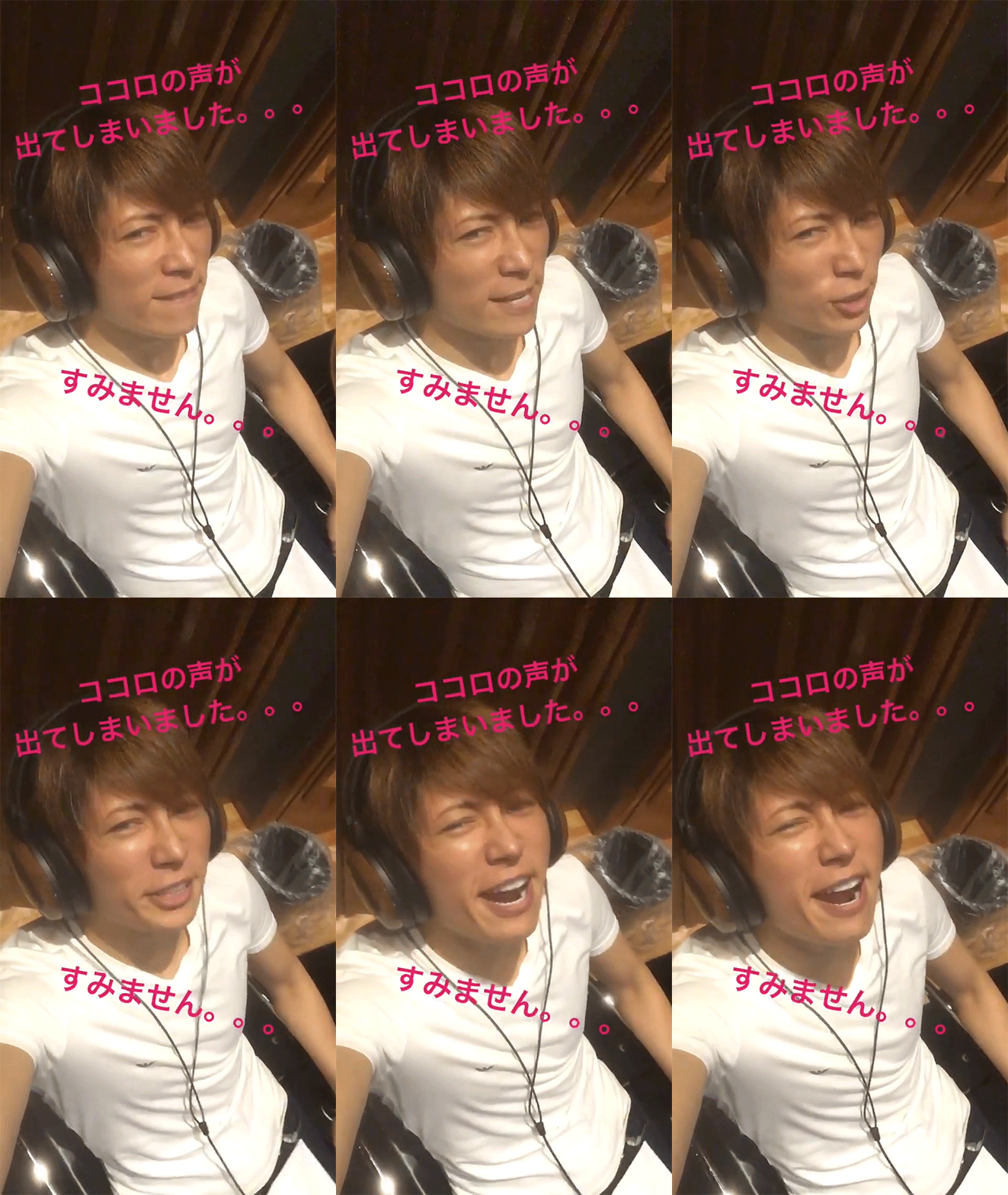
Source: GACKT Official Instagram
Translation: GACKT ITALIA Team
Translation © GACKT ITALIA
[:it]GACKT Instagram stories update. Traduzione a seguire:
Parte testo: La voce del mio cuore è uscita fuori...
Scusate.
Parte parlata: FA MALEEEEEEEE
Fonte: GACKT Official Instagram
Traduzione: GACKT ITALIA Team
Traduzione © GACKT ITALIA
[:]

[:en]CAMUI GAKUEN NEWS: Notice about the General tickets sale for the 93rd Camui♂Gakuen de Hirakina-Sai [:it]CAMUI GAKUEN NEWS: Avviso sulle vendite generali dei biglietti per il 93° Camui♂Gakuen de Hirakina-Sai[:]
[:en]Camui Gakuen news update. Translation below:
【General release】
Camui♂Gakuen de Hirakina-Sai
May 14, 2017 (Sun) ~
Lawson · Pia · Eplus, etc. ... tickets will be available in every tickets agency
Source: Camui Gakuen School Website
Translation: GACKT ITALIA Team
Translation © GACKT ITALIA
[:it]Camui Gakuen news update. Traduzione di seguito:
【Vendite generali】
Camui♂Gakuen de Hirakina-Sai
Mag 14, 2017 (Dom) ~
Lawson · Pia · Eplus, etc. ... i biglietti saranno disponibili in ogni agenzia di vendita
Fonte: Camui Gakuen School Website
Traduzione: GACKT ITALIA Team
Traduzione © GACKT ITALIA
[:]