
[:en]
■GACKT/New Album『LAST MOON』Interview(1/4)
「Both mentally and physically, this is the last VISUALIVE」
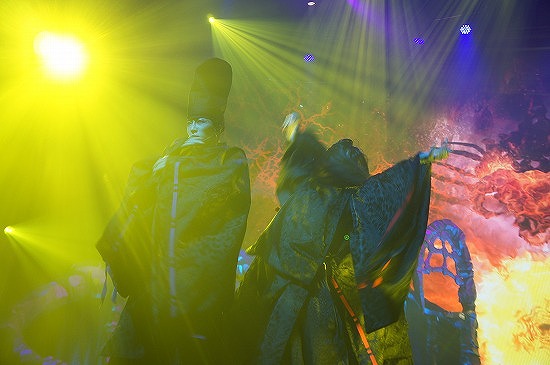
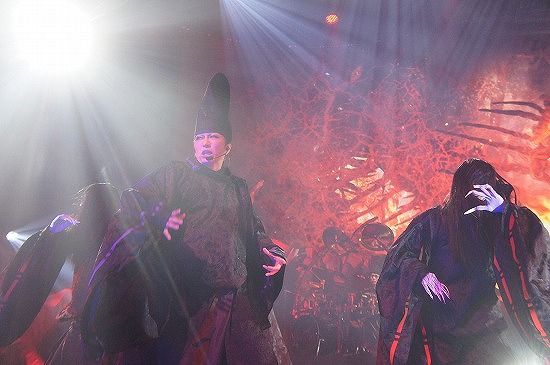
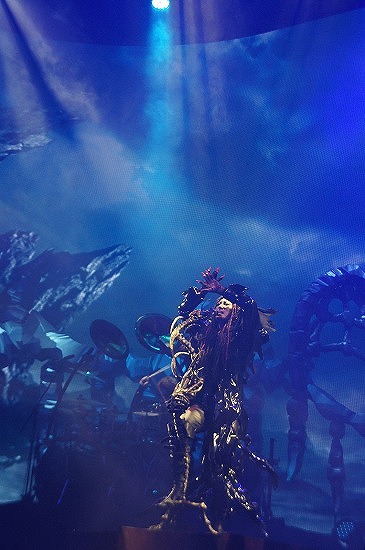
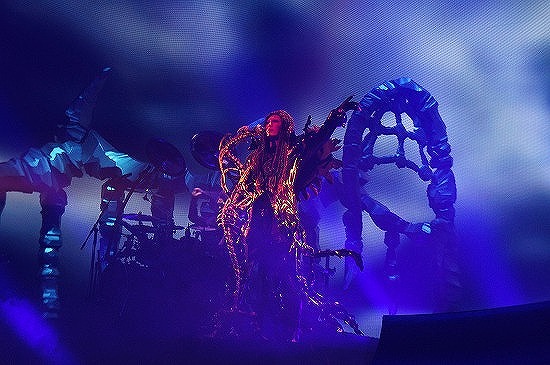
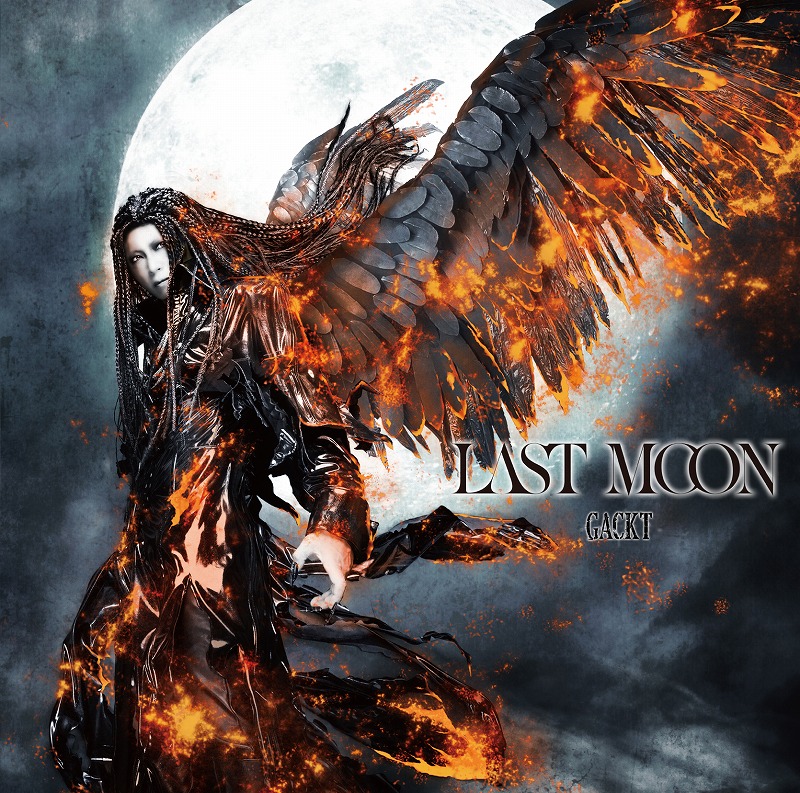
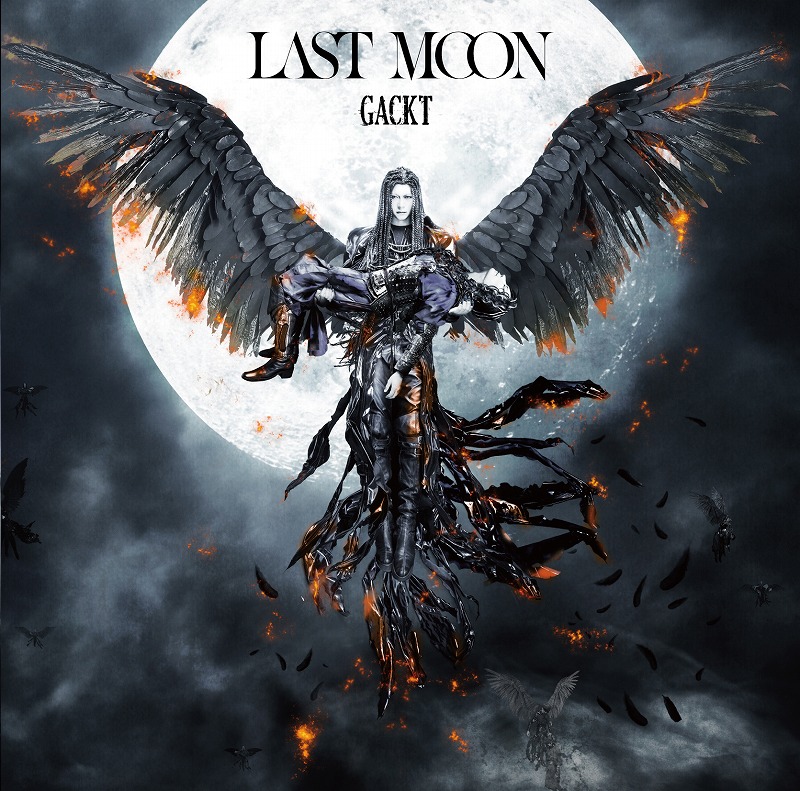
On April 27 (Wed), GACKT’s first original album in 7 years,『LAST MOON』will be released. While it includes selected singles released after『Setsugekka -The end of silence-/斬~ZAN~』(2009), it also includes the latest single「ARROW」. The emphasis of this album is that it is the set of expressionist performance of GACKT’s『GACKT WORLD TOUR 2016 LAST VISUALIVE Saigo no Tsuki ‐LAST MOON‐』(in the midst of a nationwide tour since March 19), his newest version of the VISUALIVE, which is the stage work built from his unique expressive stlye. In the summer of 2015 when we were doing an interview about『ARROW』, GACKT revealed that for the tour, he was creating songs which blend traditional Japanese poetry with rock. Back then, he let us listen to a fragment of beautiful music on PC, which was「Hana mo Chiyu」, the latest version of Zipang rock that has come into fruition in this work. This interview was carried out when he was extremely busy, with the album still unfinished and on the eve of the start of『GACKT WORLD TOUR 2016 LAST VISUALIVE Saigo no Tsuki -LAST MOON-』. Again, we asked about the meaning behind mentioning the word “LAST (saigo)”, and in this work, we explore even deeper into the story behind the birth of GACKT world.
By using traditional Japanese poetry I can use odd rhythms naturally, which turned out to be advantageous to me.
――Firstly, how’s your health recently?
GACKT:Around 2 weeks ago (※interview was conducted in late February) I fell sick, and it was a little tough then. Somehow I’ve been resurrected now. I’ve been building my body for the tour, and I’ve been chasing after a variety of things, so mentally I’m suffering a lot (laughs).
――(Laughs). During the interview covering your latest single『ARROW』, there was a song with an irregular beat that you were making which incorporated traditional Japanese poetry mixed with modern phrases. Is the completed of it the second song in your album,「Hana mo Chiyu」?
GACKT:That’s right. In actuality there are others as well but, because I’d be doing too much of that in the concert, I cut the songs.
――Just to reconfirm the basic understanding, the new songs which you planned to record were songs that you created with the 『LAST VISUALIVE』envisioned right?
GACKT:That’s right. Because the songs were made with the live in mind, songs that make me think 「it can’t be performed during the live」, (even if it’s already made) I probably won’t even let it be shown. If I performed all the songs it would last 4 hours. I want to finish it in 3 hours. I thought「around 2 and a half hours」as a goal but, in the present situation, no matter how you look at it, I I can’t help but think「This, can’t be finished in 2 and a half hours… …」(laughs).
――But, even if it’s around 3 hours long I’d still want to watch it… …
GACKT:No, if you’re performing its tiring y’know (laughs).
――I apologise for my selfish words (laughs). Listening to it, it was impressive how naturally the irregular rhythm is incorporated in the song.
GACKT:Basically, the 4/4 time is the main (time signature in rock). For British and Americans, they don’t like having tempos and rhythms like 6/8 or 7/4 or 5/4 time in rock music. The reason why is because they aren’t good with odd-time signatures. But, I originally have my roots in classical music and am familiar with progressive music, so I really like those beats. But, I don’t have the thought of 「wanting to create beats that cannot be understood」 at all. As expected, wanting to 「create something melodic」is a big part of me. However, I recently came to understand that while contemporary music feels better expressed with a 4/4 beat or 8/8 beat, for traditional Japanese poetry, it is more interesting to approach it with 7/4 or 5/4 beats instead. That is probably, due to the arrangement of the words.
 ――”Hanakahoru kimi nara de Dare ni ka misenu teru tsuki zo” is broken into 5, 5, 7, then 5 syllables, and is overlapped with a beautiful rhythm.
GACKT:Yes. Just reading it alone is interesting as well, it’s really beautiful. By using traditional Japanese poetry I can use odd rhythms naturally, which turned out to be advantageous to me, and by mixing it with contemporary poetry after that, then cleverly transitioning around, it makes me think 「Ah, this is fun」. Instead of doing it with the intent of wanting to incorporate things in, it just happened naturally though.
――The fusion of traditional Japanese poetry with rock is an invention of GACKT-san’s right. Considering that foreign artistes will, of course, find it difficult to do.
GACKT:Its quite hard to make use of traditional Japanese poetry. For me, I enjoy literature like these, and I also like stuff from this era. Although, in other words, I think that it would be nice if everyone could naturally become interested in things like the aesthetics of Japanese poetry, but it’s not something I’d really want to impose on others though.
 ――I think there’s an educational property of it that can be aimed at youths but, is that not true?
GACKT:It’s not a cram school so, there’s none of that. If they can naturally take it in that would be good. If I wrote everything in traditional Japanese poetry, the meaning of it will be lost on present-day people. I offer it at a level where Japanese poetry is included yet it makes people wonder 「what is the meaning behind this poetry?」.
Source: excite.co.jp
Translation: GACKT ITALIA Team
Translation © GACKT ITALIA
[:it]
■GACKT/Nuovo Album『LAST MOON』Intervista(1/4)
「Sia mentalmente che fisicamente, questo è il last VISUALIVE」
Il 27 aprile (Mer), il primo album di GACKT in 7 anni,『LAST MOON』uscirà. Oltre l’inclusione di singoli selezionati dopo l’uscita di『Setsugekka -The end of silence-/斬~ZAN~』(2009), include anche il singolo「ARROW」. L’enfasi di questo album è il simbolo dell’espressionista performance del『GACKT WORLD TOUR 2016 LAST VISUALIVE Saigo no Tsuki ‐LAST MOON‐』di GACKT (nel mezzo di un tour nazionale dal 19 Marzo), la più nuova versione del VISUALIVE, che è il lavoro costruito sul suo unico espressivo stile. Nell’estate 2015 mentre stavamo facendo un’intervista su『ARROW』, GACKT ha rivelato ciò del tour, stava creando delle canzoni che potessero legare la poesia tradizionale Giapponese con il rock. Inoltre, ci ha fatto ascoltare un frammento della sua bellissima musica sul PC, che era「Hana mo Chiyu」,l’ultima versione dello Zipang rock che è stato frutto del suo lavoro. Questa intervista è stata fatta mentre era estremamente impegnato, con l’album non ancora finito e l’inizio del『GACKT WORLD TOUR 2016 LAST VISUALIVE Saigo no Tsuki -LAST MOON-』. Inoltre, abbiamo chiesto il significato nascosto dietro alla parola “LAST (saigo)”, e in questo lavoro, esploriamo ancora più a fondo nella storia dietro alla nascita del mondo di GACKT.
Usando la poesia tradizionale Giapponese posso anche usare ritmi strani naturalmente, che diventa vantaggioso per me.
――Prima di tutto, com’è la tua salute recentemente?
GACKT:Più o meno 2 settimane fa (※l’intervista è stata fatta nel tardo Febbraio) mi sono ammalato, ed è stata abbastanza dura. In qualche modo sono resuscitato ora. Sto preparando il mio corpo per il tour, e sto facendo una grande varietà di cose, quindi mentalmente sto soffrendo moltissimo (ride).
――(Ride). Durante l’intervista per il tuo singolo『ARROW』, c’era una canzone con un ritmo irregolare che incorporava la poesia tradizionale Giapponese con delve rasi moderne, E’ la tua seconda canzone del tuo album,「Hana mo Chiyu」?
GACKT:Giusto. In realtà ce ne sono anche altre, siccome devo fare troppo nel concerto, ho tagliato le canzoni.
――giusto per riconfermare la basica comprensione, le nuove canzoni che hai pensato di registrare erano create con la visione del『LAST VISUALIVE』giusto?
GACKT:Giusto. Siccome le canzoni sono state fatte con in mente il live, quelle che mi fanno pensare 「non può essere fatta durante il live」, (anche se è già stata fatta) io probabilmente non dovrei mostrarlo. Se io facessi tutte le canzoni durerebbe 4 ore. IO voglio finirlo in 3 ore. Ho pensato「intorno alle due ore e mezza」come obiettivo ma, nell’attuale situazione, non importa quanto tu ci provi, non posso fare altro che pensare「Questo, non può durare due ore e mezza… …」(ride).
――Ma, anche se fosse intorno alle 3 ore lo guarderei… …
GACKT:No, se sei tu il performer è stancante (ride).
――Mi dispiace per le mie parole egoistiche (ride). Sentendole, è impressionante quanto il ritmo irregolare possa stare bene con le canzoni.
GACKT:Di base, il tempo 4/4 è il principale (il tempo del rock). Per gli Inglesi e gli Americani, non hanno ritmi di tempo come 6/8 or 7/4 or 5/4 nella musica rock. La ragione è perchè non sanno lavorare con tempi strani. Ma, io ho originariamente le mie radici nella musica classica e mi è familiare la musica progressive, amo davvero questi ritmi. Ma, non ho il pensiero del「voler creare ritmi che non possano essere capiti」per niente. Come previsto, voler creare 「qualcosa di melodico」è una grande parte di me. Tuttavia, io ho recentemente capito come mai la musica contemporanea si trova meglio con ritmi 4/4 o 8/8, per la poesia tradizionale Giapponese, è più interessante un approccio tipo 7/4 o 5/4 invece. Questo probabile,te a causa dell’arrangiamento con le parole.
――<Hanakahoru kimi nara de Dare ni ka misenu teru tsuki zo> è un 5, 5, 7, poi 5 sillabe, head un bellissimo ritmo.
GACKT:Sì. Solo leggendola è interessante, è davvero bella. Usando la poesia tradizionale Giapponese posse usare strani ritmi naturalmente, diventa vantaggioso per me, e mizando questo con la poesia contemporanea, furbescamente transitando tra queste due cose, mi fa pensare「Ah, divertente」. Invece di farlo con l’intento di voler incorporare delle cose in esso, accade naturalmente.
――La fusione con la poesia tradizionale Giapponese ed il rock è un’invenzione di GACKT-san’s giusto. Considerando che artisti stranieri potrebbero, di certo, una cosa difficile da fare.
GACKT:E’ abbastanza difficile usare la poesia tradizionale Giapponese. Per me, che amo questo tipo di letteratura, e anche cose di quel period. In altre parole, penso che sarebbe bello se ognuno di noi fosse capace di interessarsi a cose del genere come l’estetica della poesia Giapponese, ma non è qualcosa che io realmente voglio imporre.
――Io penso che ci sia un certo tipo di educazione mirata per i giovani in questo, non è vero?
GACKT:Non è una vera e propria scuola, non ce ne sono. Se potesse venire naturale sarebbe bello. Se io scrivessi tutto in poesia tradizionale Giapponese, il significato si perderebbe con le persone di oggi. Io la offro in un livello in cui la poesia Giapponese è inclusa e fa in modo che le persone si chiedano「qual è il significato dietro questa poesia?」.
Fonte: excite.co.jp
Traduzione: GACKT ITALIA Team
Traduzione © GACKT ITALIA
[:]